
Article: Refrigerator Making a Loud Noise? Here’s What It Means and How to Fix It
Refrigerator Making a Loud Noise? Here’s What It Means and How to Fix It

Loud noises from a refrigerator signal potential issues that can reduce both your comfort in the kitchen and the appliance’s lifespan. Whether it is a constant hum, a sudden rattle, or a nonstop click, every sound has a specific meaning. Are these noises something you can handle yourself? Or do they require professional intervention? In most cases, identifying the source early makes all the difference. This post covers common refrigerator noises and their meanings, practical DIY fixes, guidance on when to call a professional, and proven tips to prevent future refrigerator noise effectively.
Common Refrigerator Noises and Their Meanings
Not every refrigerator sound signals trouble, but each one reveals something. Understanding common noises and their meanings is the first step toward keeping your appliance in peak condition.
- Buzzing or Humming: A steady hum is typically normal, but a loud buzz may point to a faulty water inlet valve, a failing condenser fan motor, or loose internal components.
- Clicking Sounds: If clicking repeats frequently often means the compressor is struggling to start. This indicates a worn relay or low refrigerant affecting overall cooling performance.
- Rattling or Vibrating: Rattles usually result from the refrigerator sitting unevenly, loose drain pans, or items placed too close behind or beside the unit on kitchen surfaces.
- Gurgling or Dripping: This sound often occurs as refrigerant moves through the cooling system. Occasional gurgling is harmless, but persistent dripping may point to a blocked defrost drain.
- Knocking or Banging: A loud knock or bang, especially when the compressor cycles on or off, may indicate a loose compressor mount, worn shock absorbers, or ice buildup inside the freezer.
How to Fix Refrigerator Noise: DIY Steps
Many noise issues can be resolved without calling a technician. Knowing how to fix refrigerator noise through basic checks can save you both time and money.
- Level the Refrigerator: Use a spirit level to check balance. Adjust the front legs until the unit sits evenly, as an uneven base causes persistent vibration and rattling during normal operation.
- Clean the Condenser Coils: Dirty coils force the compressor to work harder, increasing noise. Unplug the unit, locate the coils (usually at the back or bottom), and vacuum away accumulated dust carefully.
- Inspect and Reposition the Drain Pan: A loose or slightly misaligned drain pan rattles every time the compressor runs. Slide it back into its proper position for an immediate and noticeable reduction in noise.
- Check and Replace the Evaporator or Condenser Fan: If a fan blade is bent, obstructed, or worn, it creates a persistent whirring or scraping sound. A replacement fan is affordable and often simple enough to install yourself.
- Defrost Ice Buildup: Excessive ice around the evaporator fan causes a loud scraping or humming noise. Manually defrost the freezer by unplugging the unit and letting ice melt naturally before restarting.
When to Call a Professional?
Some refrigerator noises go beyond basic DIY fixes. Recognizing the right moment to call a professional protects both your appliance and your household safety.
- Compressor Failure Signs: If loud clicking continues after DIY attempts, the compressor relay or start capacitor may be failing. Compressor repairs require specialized tools and a certified appliance repair technician.
- Refrigerant Leak: A hissing sound combined with insufficient cooling often indicates a refrigerant leak. Handling refrigerant requires EPA certification, so this repair is strictly a job for licensed professionals.
- Persistent Banging After Basic Fixes: If banging continues even after leveling and clearing ice, the compressor mount may be broken. Repairing internal mounts involves disassembling components that should only be handled professionally.
- Electrical Buzzing or Burning Smell: An electrical buzz paired with a burning odor is never a minor issue. This combination points to wiring faults or motor damage that pose serious safety risks and require immediate expert attention.
- Under-warranty Repairs: If your refrigerator is under warranty, always contact the manufacturer or an authorized service center. Attempting major DIY repairs may void your warranty coverage entirely.
How to Prevent Future Refrigerator Noise?
Preventing future refrigerator noise is far easier than troubleshooting existing ones. Consistent refrigerator maintenance goes a long way in extending your appliance's life and keeping it quiet.
- Clean Condenser Coils Regularly: Vacuum the condenser coils every six months to prevent dust buildup, which strains the compressor and causes it to run louder than intended during normal daily use.
- Check Door Gaskets Periodically: Worn or cracked door seals allow warm air inside, forcing the compressor to cycle more often and work harder, which increases both noise levels and your monthly energy costs.
- Maintain Adequate Clearance: Keep at least one to two inches of space on all sides and at the back of your refrigerator. Proper airflow around the unit prevents overheating and reduces compressor-related vibration noise.
- Avoid Overloading the Refrigerator: Overpacking blocks internal air circulation and causes fans to work against resistance. Keeping shelves reasonably organized ensures consistent airflow and reduces fan strain over time.
- Schedule Annual Maintenance Checks: A yearly inspection by a qualified technician catches small mechanical issues before they turn loud and expensive. Proactive service is one of the most effective refrigerator maintenance tips available.
Maximize Performance and Efficiency of Your Kitchen Refrigerator
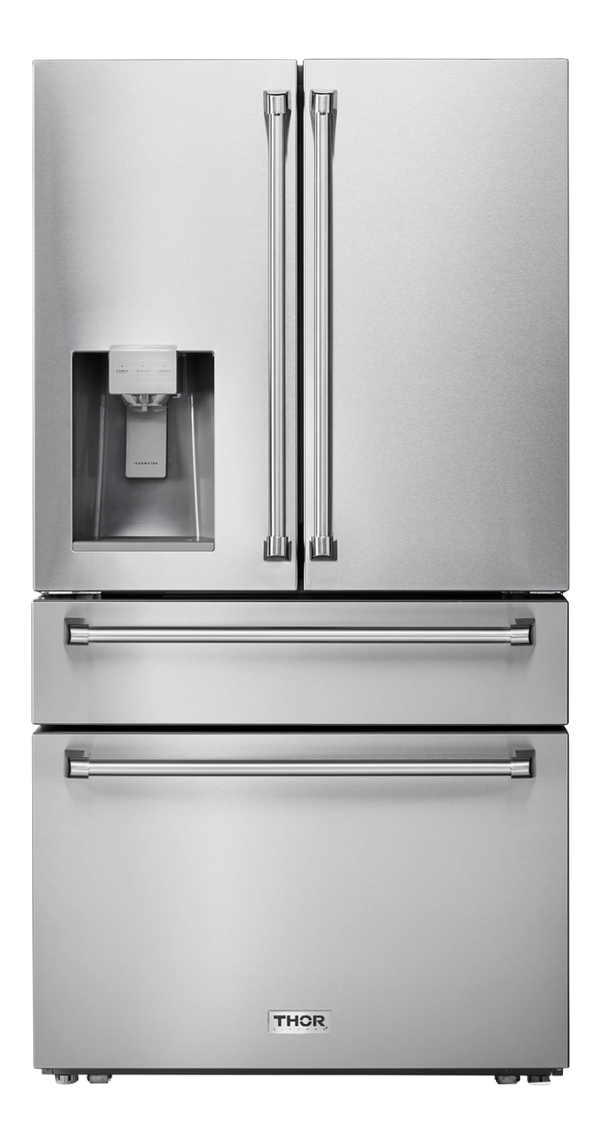
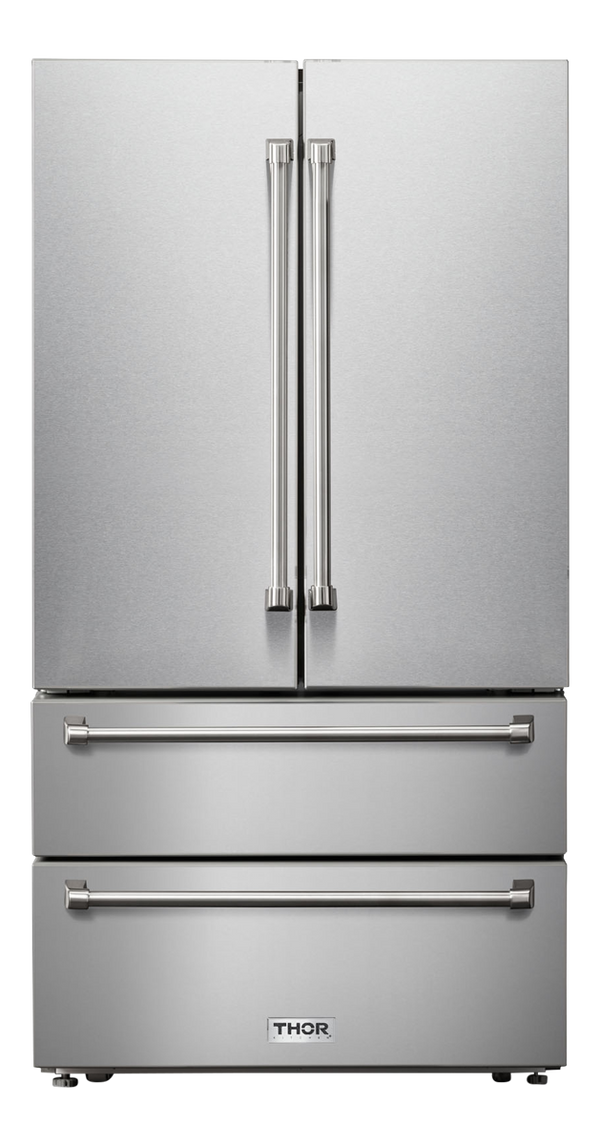
Don’t let a noisy refrigerator disrupt your kitchen or cause unnecessary wear. With proper care, timely DIY fixes, and professional maintenance when needed, you can enjoy a quiet, efficient appliance. Explore THOR Kitchen’s range of premium refrigerators designed for superior performance and durability. Take action today by following the tips in this guide, scheduling regular maintenance, and investing in quality appliances to ensure your refrigerator runs smoothly for years, keeping your kitchen comfortable and hassle-free.

FAQs
-
Can a dirty condenser coil cause my refrigerator to get louder?
Yes, absolutely. Dust-coated condenser coils restrict heat dissipation, which forces the compressor to run longer and louder. Cleaning them every six months is one of the simplest ways to keep noise levels low. -
Why does my refrigerator make a knocking sound when it turns off?
A knock at shutdown usually occurs when the compressor releases built-up pressure. Minor knocking is normal, but a repeated loud bang after every cycle may suggest a loose compressor mount that needs inspection. -
Can ice buildup inside the freezer cause a loud noise in the refrigerator?
Yes. Ice buildup around the evaporator fan blades causes a scraping or grinding noise as the blades make contact. Manually defrosting the freezer compartment usually resolves this issue quickly and without any tools. -
How can I tell if the evaporator fan is causing the noise in my refrigerator?
Open the freezer door and listen. If the noise increases when the door is open, the evaporator fan is likely the source. A failing fan motor or bent blade will produce a consistent whirring or scraping sound. -
Can a loose water line cause refrigerator noise?
Yes, in refrigerators with ice makers or water dispensers. A loosely connected water line vibrates against the back panel whenever water flows through it. Securing it with a simple clip or repositioning usually eliminates the noise entirely.