
Best Oven for Baking: What Features Actually Matter
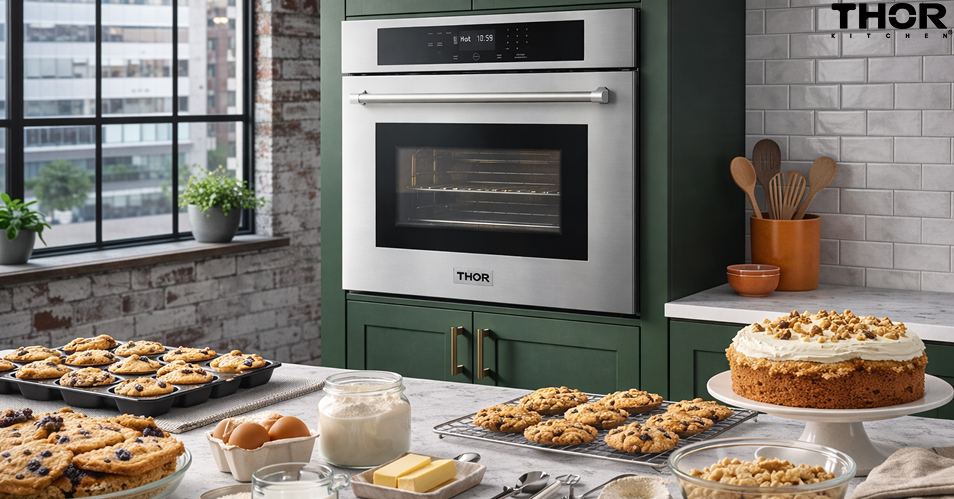
Choosing the best oven for baking isn’t about whether gas or electric is “better” — it’s about selecting the right features, engineering, and performance for your baking style. A well-designed oven can deliver consistent, professional-level results whether you’re baking artisan bread, pastries, or weeknight meals.
With so many options available, understanding which oven features truly matter can help you make a confident, informed decision. Below, we break down essential baking features, explain gas vs. electric performance in practical terms, explore convection technology, highlight modern oven trends, and share tips for maintaining consistent baking results.
Gas vs. Electric Ovens: Understanding the Differences
Both gas and electric ovens can deliver excellent baking results when properly designed. The key differences come down to heat behavior, control systems, and personal preference.
| Feature | Gas Ovens | Electric Ovens |
|---|---|---|
| Heat Characteristics | Gas ovens generate heat quickly and respond fast to temperature changes. Modern designs with convection help distribute heat evenly. | Electric ovens use heating elements that provide steady, consistent heat throughout the cavity. |
| Temperature Control | High-quality gas ovens use advanced thermostats and insulation to maintain stable temperatures. | Electric ovens are known for precise temperature regulation, particularly for delicate baking tasks. |
| Preheating | Typically preheat faster due to open-flame heat. | May take longer to preheat but maintain very stable internal temperatures once heated. |
| Moisture Levels | Gas ovens naturally retain a bit more moisture, which can be beneficial for breads and roasts. | Electric ovens produce drier heat, often preferred for crisp pastries and cookies. |
| Operating Costs | Often cost-effective to run, depending on local utility rates. | Energy costs vary based on electricity rates and usage. |
Rather than choosing solely based on fuel type, bakers should focus on how an oven is engineered - including airflow, insulation, and temperature accuracy.
Also Read: Benefits of a Modern Electric Wall Oven
Essential Features to Look for in a Baking Oven
When selecting an oven for baking, these features play a major role in achieving consistent, high-quality results:
- Even Heat Distribution: Uniform heat prevents undercooked centers and overbaked edges. Convection fans and well-designed cavities help maintain consistency.
- Accurate Temperature Control: A reliable thermostat ensures recipes bake as intended, especially for pastries and breads that require precision.
- Size and Capacity: Larger ovens with multiple rack positions allow for batch baking while maintaining airflow.
- Convection Capability: Convection systems circulate hot air to promote even browning and reduce bake times when needed.
- Ease of Cleaning: Smooth interiors, durable finishes, and self-cleaning functions simplify maintenance and keep performance consistent over time.
Modern Trends in Baking Ovens
Oven technology continues to evolve, focusing on performance, convenience, and efficiency:
- Intuitive Controls: Touchscreen and digital interfaces make it easier to select temperatures, modes, and timers with confidence.
- Multi-Function Cooking Modes: Many ovens now support baking, roasting, broiling, air frying, and more, reducing the need for multiple appliances.
- Improved Energy Efficiency: Advances in insulation, airflow design, and temperature retention help modern ovens cook efficiently while delivering consistent results.
These advancements benefit both home bakers and serious cooking enthusiasts looking for professional-style performance.
Common Baking Oven Issues and Helpful Tips
Even well-built ovens may experience occasional performance issues. Here are common concerns and practical maintenance tips to address them:
- Uneven Baking: Rotating pans midway through baking and using an oven thermometer can help ensure consistent results.
- Temperature Variations: If baking temperatures seem inconsistent, recalibration or professional inspection may be needed.
- Overheating or Underheating: This may indicate an issue with heating components or sensors and should be evaluated by a qualified technician.
- Unresponsive Controls: Electrical or control board issues require professional service to maintain safety and warranty coverage.
- Burning on the Bottom: Adjust rack placement and ensure the oven is properly leveled for even heat exposure.
For safety and optimal performance, appliance repairs should always be handled by certified professionals.
Find the Right Oven for Your Baking Style
At THOR Kitchen, our ovens are designed to deliver professional-grade performance through thoughtful engineering, durable construction, and advanced features. Whether you prefer gas or electric, convection-assisted baking, or multi-function flexibility, choosing an oven with precision temperature control and even heat distribution is key.
Explore our full range of ovens to find the model that best fits your cooking and baking needs, and keep an eye out for seasonal promotions to maximize value.
FAQs
-
How can I improve uneven baking in my oven?
Using an oven thermometer, rotating bakeware, and ensuring proper rack placement can help minimize uneven baking. -
Is gas or electric better for baking?
Both can perform exceptionally well. The best choice depends on oven design, features, and your preferred baking results. -
What causes temperature inconsistencies in ovens?
They may result from calibration issues, airflow limitations, or component wear and should be evaluated professionally. -
Does oven size affect baking results?
Yes. Proper airflow and spacing are essential. Larger ovens allow multi-rack baking, but overcrowding can affect heat circulation. -
What features matter most for baking performance?
Even heat distribution, accurate temperature control, convection capability, and quality construction are the most important factors.