
Freestanding Wine Coolers: Benefits, Features & How to Choose the Right One
Wine is sensitive to its surroundings. Small changes in temperature, light, or humidity can slowly alter its taste, aroma, and aging potential. Many homeowners store wine in regular kitchen refrigerators or open shelves without realizing how quickly these conditions can affect quality.
These small storage mistakes often go unnoticed at first. A bottle may still seem fine, but over time the balance and depth of flavor begin to fade. This is why proper storage is not just about convenience, but about preserving the character of the wine itself.
As more people build home wine collections and entertain more frequently, dedicated storage solutions have become increasingly relevant. A freestanding wine & beverage refrigerator offers a practical way to maintain stable conditions without requiring built-in installation or complex setup. In this post, you will learn how proper storage impacts wine quality, how freestanding wine refrigerators work, and what features to consider when choosing the right model for your home. It provides a controlled environment designed specifically for wine preservation, making it a reliable option for both casual drinkers and serious collectors.
Why Wine Requires Special Storage Conditions
Wine continues to evolve even after bottling. Its quality depends heavily on how it is stored over time.
- Temperature Stability: Frequent temperature changes can accelerate aging and disrupt the chemical balance of wine. Even small fluctuations can affect flavor and aroma.
- Humidity Balance: Low humidity dries out corks, allowing air to enter the bottle. High humidity can damage labels and packaging. A balanced environment helps maintain bottle integrity.
- Light Exposure: UV light breaks down compounds in wine and leads to flavor deterioration. Dark storage conditions help preserve its original profile.
- Vibration Control: Constant movement disturbs sediment and interferes with the natural aging process. A stable environment supports proper maturation.
Ideal Wine Storage Temperature Guide
Temperature is one of the most critical factors in wine storage, but consistency matters more than exact numbers.
- Red wine: 55°F to 65°F
- White wine: 45°F to 55°F
- Rosé wine: 45°F to 55°F
- Sparkling wine: 40°F to 50°F
It is also important to distinguish between storage temperature and serving temperature. Wines are often served cooler or warmer than their storage conditions to enhance flavor and aroma.
Sudden temperature shifts can cause expansion and contraction inside the bottle, which may affect the seal and overall quality. Stable conditions help preserve both taste and structure over time. Once you understand how sensitive wine is to storage conditions, the next step is finding a reliable way to maintain that environment consistently at home.
Wine Refrigerator vs Regular Refrigerator: Key Differences
While both appliances are used for cooling, they are designed for very different purposes. Understanding these differences helps clarify why a dedicated wine refrigerator is better suited for long-term wine storage.
- Temperature Range and Stability: A regular refrigerator operates at much lower temperatures, typically between 35°F and 40°F, which is too cold for most wines. In contrast, a wine refrigerator maintains a more suitable range between 45°F and 65°F. It also provides better temperature stability, which is essential for preserving wine quality over time.
- Humidity Control and Cork Protection: Standard refrigerators remove moisture from the air, creating a dry environment that can cause corks to shrink or crack. This may allow air to enter the bottle and affect the wine. Wine refrigerators maintain balanced humidity levels, which helps keep corks intact and supports proper storage conditions.
- Vibration and Storage Stability: Regular refrigerators generate more vibration due to their compressors and frequent usage. This movement can disturb wine sediment and interfere with the aging process. Wine refrigerators are designed to minimize vibration, helping maintain stability for both short-term storage and long-term aging.
- Storage Purpose and Design: A regular refrigerator is designed for storing food and beverages with frequent door openings and temperature changes. Wine refrigerators are built specifically for storing wine, with features that support consistent conditions and organized bottle placement.
- Air Circulation and Internal Environment: Wine refrigerators use internal fans to circulate air evenly, preventing temperature variations across shelves. This ensures consistent storage conditions for all bottles. Regular refrigerators are not optimized for this level of controlled airflow for wine storage.
- Long-Term Storage Suitability: Regular refrigerators are suitable for short-term wine storage, especially before serving. However, they are not ideal for preserving wine over longer periods. Wine refrigerators are specifically designed for long-term storage, helping maintain flavor, aroma, and structure over time.
Understanding Freestanding Wine Refrigerators and Their Benefits
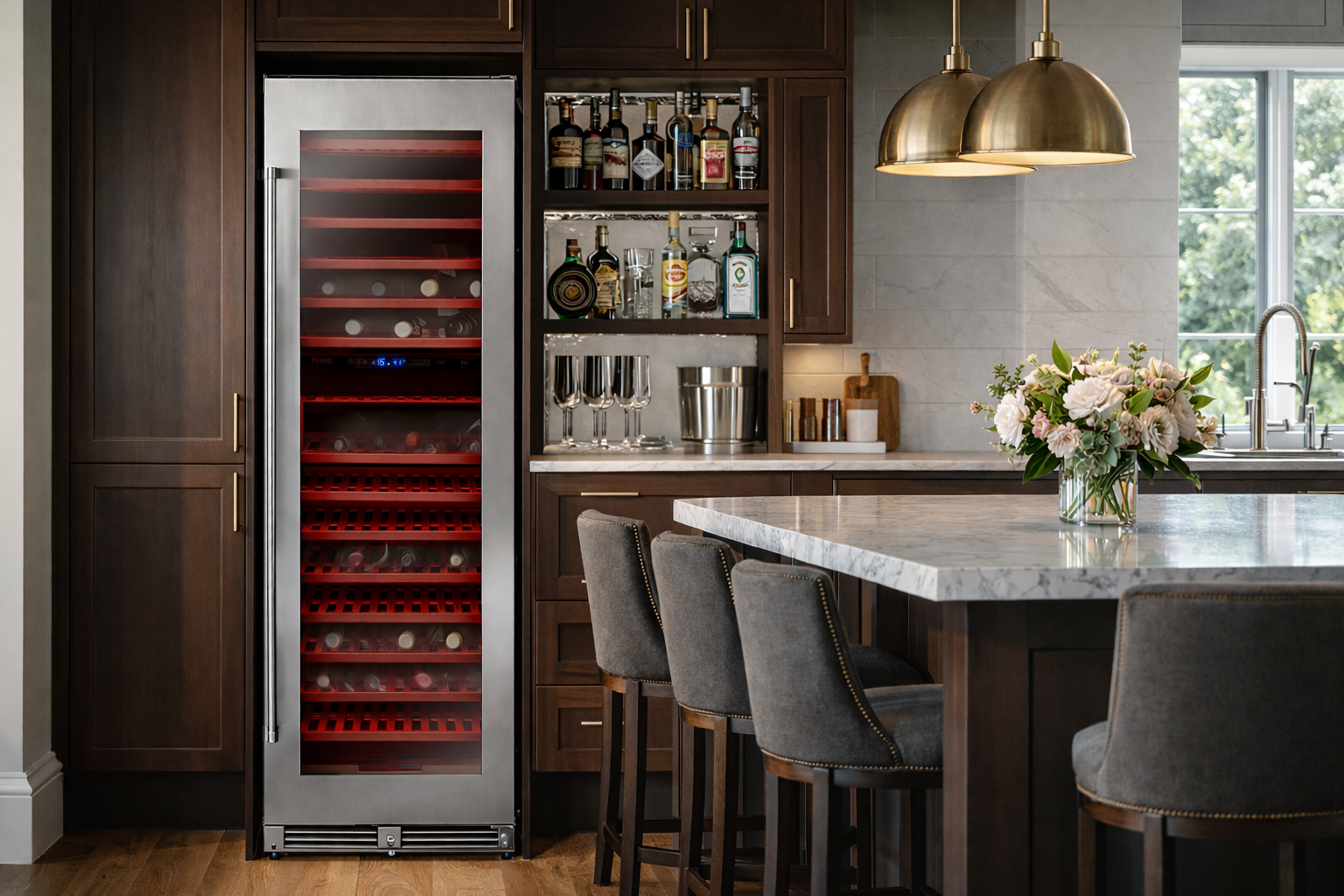
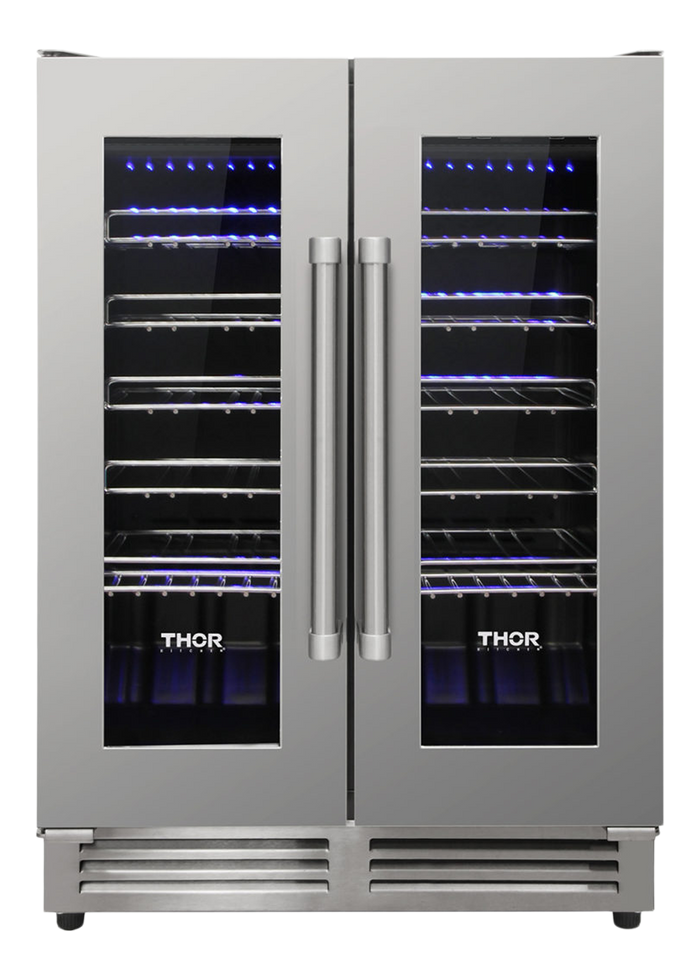
A Luxury freestanding wine refrigerator is designed to store wine at controlled temperature and humidity levels. Unlike a standard refrigerator, it is built specifically for preserving wine rather than storing food.
- Flexible Placement and Everyday Convenience: Designed for standalone use, these units can be placed in kitchens, dining areas, entertainment rooms, home bars, or basements. They do not require built-in cabinetry, which makes installation simple and flexible. Proper ventilation space around the unit allows efficient airflow and cooling performance.
- Precision Temperature Control: Freestanding wine refrigerators maintain consistent internal temperatures suited for long-term storage. Most models allow users to set precise cooling ranges depending on the type of wine being stored. This stability helps prevent flavor loss caused by frequent temperature fluctuations.
- Advanced Cooling Systems: Many units use compressor-based cooling technology, which delivers reliable and consistent performance even when room temperatures change. Some compact models use thermoelectric cooling, which operates quietly and with minimal vibration. Both systems are designed to create a stable storage environment.
- Airflow and Internal Climate Management: Built-in fans help circulate cool air evenly across all shelves. This prevents warm spots and ensures every bottle is stored under similar conditions. Consistent airflow also supports balanced humidity levels inside the refrigerator.
- Protection from Light and Vibration: Tinted or UV-resistant glass doors help reduce light exposure that can affect wine quality. Low-vibration cooling systems minimize disturbance to wine sediment and support better aging conditions.
Shop Freestanding Wine Coolge by Thor Kitchen


Other Types of Wine Refrigerators
While freestanding wine refrigerators are widely used for their flexibility, there are other types of wine storage solutions designed for specific kitchen layouts and installation needs. Understanding these options helps provide better context when choosing the right unit for your home.
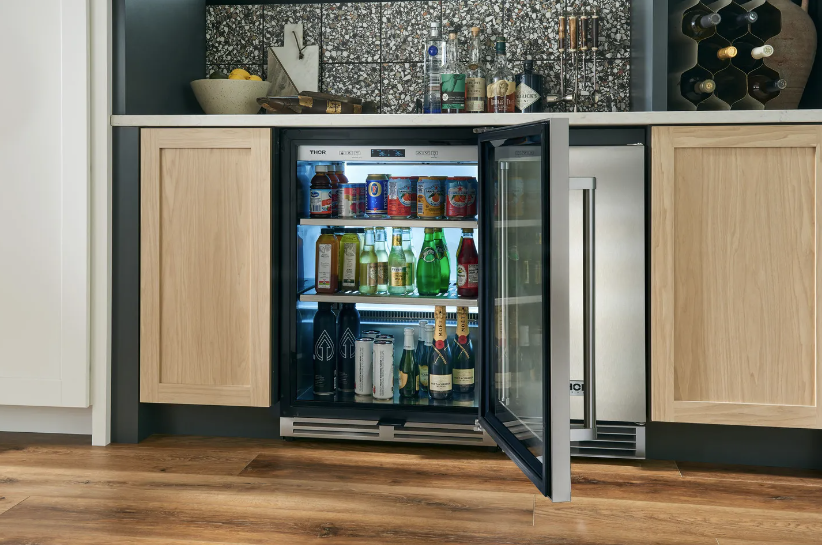
- Built-in Wine Refrigerators: Built-in wine refrigerators are designed to fit seamlessly under kitchen countertops or within cabinetry. They are engineered with front-venting systems, which allow them to function efficiently even in enclosed spaces. This makes them a practical choice for homeowners who want a permanent installation that integrates directly into their kitchen design. These models are often selected during kitchen planning or renovation projects where appliance placement is fixed.
- Integrated Wine Refrigerators: Integrated wine refrigerators are designed for full visual blending with surrounding cabinetry. They typically support panel-ready installation, allowing custom cabinet fronts to be attached so the appliance becomes nearly invisible within the kitchen design. These units are commonly used in premium kitchen setups where maintaining a consistent aesthetic is a priority. While they offer a clean and unified appearance, they require more precise installation planning compared to freestanding models.
- Portable Wine Coolers: Portable wine coolers are compact units designed for convenience and mobility. They are suitable for small living spaces, short-term storage, or users who need occasional wine cooling without committing to a larger appliance. These models typically hold a limited number of bottles and are easy to relocate when needed. While they are not intended for long-term or large-scale storage, they provide a simple solution for basic wine cooling needs.
Freestanding vs Built-in vs Integrated vs Portable Wine Refrigerators
Different types of wine refrigerators serve different storage needs and comparing them side by side helps you quickly identify which option fits your space, usage, and collection size best.
| Feature | Freestanding Wine Refrigerator | Built-in Wine Refrigerator | Integrated Wine Refrigerator | Portable Wine Cooler |
|---|---|---|---|---|
| Installation | Standalone, easy placement | Under-counter or cabinetry fit | Fully built into cabinetry | No installation required |
| Design Purpose | Flexible everyday use | Semi-permanent kitchen setup | Seamless kitchen integration | Temporary or small-space use |
| Ventilation | Requires open space around unit | Front-venting system | Built into cabinet ventilation design | Minimal ventilation needs |
| Storage Capacity | Medium to large options available | Medium to large capacity | Medium to large premium units | Small capacity |
| Aesthetic Appeal | Modern and visible design | Clean built-in look | Fully hidden, custom cabinetry look | Basic functional design |
| Mobility | High flexibility | Fixed installation | Fixed installation | Highly portable |
| Best Use Case | Home users, collectors, entertainers | Kitchen remodels or planned layouts | Luxury or designer kitchens | Occasional or limited use |
Freestanding wine refrigerators offer the best balance of convenience, flexibility, and storage capacity, making them the most practical choice for most homeowners compared to built-in, integrated, or portable options.
Ideal Room Conditions for Placing a Wine Refrigerator
Where you place a wine refrigerator is just as important as how it is used. The surrounding environment directly affects cooling efficiency and long-term wine stability.
- Freestanding wine refrigerators perform best in rooms with stable ambient temperatures, ideally between 60°F and 75°F. Extreme heat or cold in the surrounding space can force the unit to work harder, affecting performance over time.
- Avoid placing the unit near ovens, dishwashers, or areas exposed to direct sunlight. These heat sources can create temperature fluctuations that interfere with internal cooling stability.
- Garages or poorly insulated rooms may also cause inconsistent performance depending on seasonal changes.
- Good airflow is essential. Always leave clearance around the back and sides of the unit as recommended by the manufacturer. This allows proper heat dissipation and supports consistent internal temperature control.
Common Mistakes When Using Freestanding Wine Refrigerators
Even with a freestanding wine refrigerator, small usage and placement errors can affect cooling performance and reduce the quality of stored wine over time. Understanding these common errors helps ensure better performance and more reliable wine preservation.
- Many users place the freestanding wine refrigerator too close to surrounding walls or cabinets, which restricts airflow and reduces cooling efficiency over time.
- Some users overload the shelves beyond the recommended capacity, which blocks proper air circulation and creates uneven temperature distribution inside the unit.
- Frequent opening of the refrigerator door allows warm air to enter repeatedly, which disrupts internal temperature stability and affects wine preservation conditions.
- In some cases, users do not maintain the required ventilation clearance around the unit, which can force the cooling system to work harder than necessary.
- Bottles are sometimes stored too closely together without adequate spacing, which limits internal airflow and reduces consistent cooling across all shelves.
- Some users place wine bottles upright instead of storing them horizontally, which can dry out the cork over time and allow unwanted air exposure that affects wine quality.
- Placing the unit on an uneven surface can lead to unwanted vibration and may affect the stability of the cooling system over time.
- Temperature settings are not always monitored regularly, which can result in unnoticed fluctuations that impact long-term wine storage quality.
- Door seals are often not cleaned or checked periodically, which can weaken insulation and reduce the efficiency of temperature control inside the unit.
- Some users operate the refrigerator in poorly ventilated indoor spaces, which can limit heat dissipation and affect overall performance efficiency.
Maintenance and Care Tips for Freestanding Wine Refrigerators
A freestanding wine refrigerator is designed for long-term, low-maintenance use, but regular care ensures consistent cooling performance and helps preserve wine quality. Small routine checks also extend the lifespan of the appliance and prevent avoidable issues.
- Keep the Interior Clean and Odor-Free: The interior should be cleaned periodically to prevent dust buildup or lingering odors that can affect stored wine. Use a soft cloth with mild soap and warm water, then wipe dry completely before placing bottles back. Avoid strong chemical cleaners since they can leave residues that may impact the storage environment.
- Maintain Door Seals for Proper Insulation: Door gaskets play a key role in maintaining stable internal temperatures. Over time, dust or debris can reduce their effectiveness. Wipe seals gently with a damp cloth and check for any gaps or wear. A tight seal ensures efficient cooling and prevents unnecessary energy loss.
- Ensure Proper Ventilation Around the Unit: Freestanding wine refrigerators require adequate airflow around the unit to operate efficiently. Keep a clear space around the back and sides as recommended by the manufacturer. Blocking ventilation can force the compressor to work harder, which may reduce efficiency and increase wear over time.
- Monitor Temperature Settings Regularly: It is important to occasionally verify that the internal temperature matches the set level. Sudden fluctuations may indicate external factors like room temperature changes or door sealing issues. Consistent monitoring helps maintain ideal wine storage conditions.
- Avoid Overloading Shelves: Each shelf is designed to support a specific weight and spacing arrangement. Overloading can restrict airflow and create uneven cooling across bottles. Proper spacing allows consistent temperature distribution and reduces strain on the cooling system.
- Minimize Door Openings: Frequent door openings allow warm air to enter, forcing the unit to stabilize temperature repeatedly. Limiting unnecessary openings helps maintain a steady internal environment, which is essential for wine preservation.
- Clean External Surfaces Regularly: Wipe the exterior with a soft microfiber cloth to maintain appearance and prevent dust accumulation. For stainless steel finishes, use a suitable cleaner to avoid streaks and preserve the surface finish.
- Check for Unusual Noise or Vibration: A properly functioning wine refrigerator should operate quietly with minimal vibration. If unusual noise or movement is noticed, it may indicate leveling issues or internal strain. Ensuring the unit is placed on a stable surface helps maintain smooth operation.
Key Features to Look for in a Freestanding Wine Refrigerator
Choosing the right freestanding wine refrigerator depends on how you plan to store, organize, and serve your wine. The following features help you evaluate which model fits your needs best.
- Temperature Zones and Storage Flexibility: One of the first decisions is whether you need a single-zone or multi-zone system. Single-zone units maintain one consistent temperature throughout, which works well if you primarily store one type of wine. Dual-zone or multi-zone models allow separate temperature settings, making it easier to store red, white, and sparkling wines in the same unit without compromising quality. This flexibility becomes more important as your collection grows or becomes more diverse.
- Bottle Capacity and Shelf Configuration: Bottle capacity directly impacts how practical the unit will be over time. Smaller units are suitable for casual users, while larger models support serious collectors. Shelf design is equally important. Adjustable or removable shelves allow you to accommodate different bottle shapes, including champagne and oversized bottles. A well-planned interior layout also improves airflow, helping maintain consistent cooling across all bottles.
- Cooling System Performance: The type of cooling system affects both performance and usage experience. Compressor-based systems provide strong, stable cooling and are better suited for larger collections or warmer environments. Thermoelectric systems are quieter and produce less vibration, making them ideal for living spaces or smaller installations. The right choice depends on where the unit will be placed and how frequently it will be used.
- Noise Levels and Vibration Control: Noise and vibration matter more than most users initially expect. Units placed in kitchens, dining rooms, or entertainment areas should operate quietly to avoid disruption. Low vibration is also important for wine stability, especially for bottles intended for aging. A well-designed unit minimizes both, ensuring smooth and consistent operation over time.
- Door Design and UV Protection: Glass door design affects both aesthetics and wine protection. UV-resistant or tinted glass helps block harmful light exposure that can degrade wine quality over time. Some models also feature double-paned glass for better insulation. Door design should balance visibility with protection, especially if the unit is placed in a well-lit area.
- Control Interface and Usability: Modern wine refrigerators often include digital control panels that allow precise temperature adjustments. Clear displays make it easy to monitor internal conditions without opening the door. Some models also include memory functions that restore previous settings after a power interruption, adding convenience and stability for long-term storage.
- Energy Efficiency and Long-Term Operation: Energy-efficient models help reduce operating costs over time while maintaining consistent performance. Look for units with optimized cooling cycles that avoid unnecessary energy consumption. This becomes especially important for larger refrigerators that run continuously throughout the year.
How to Choose the Right Wine Refrigerator Size for Your Collection
Selecting the right size depends on both your current wine collection and how you expect it to grow over time.
- Smaller units, typically holding 6 to 12 bottles, are suitable for casual drinkers who keep a limited selection at home. These are ideal for compact spaces or occasional use.
- Mid-sized units, ranging from 12 to 30 bottles, work well for regular wine drinkers who maintain a rotating collection for personal consumption and entertaining.
- Larger units, holding 30 bottles or more, are designed for serious collectors who store wines long-term or maintain diverse selections across multiple varieties.
It is also important to consider future expansion. Many users underestimate how quickly their collection grows, so choosing slightly more capacity than current needs often prove beneficial.
Do Wine Refrigerators Improve Wine Quality Over Time?
Wine refrigerators do not change the quality of wine, but they help preserve it in its intended condition for a longer period. By maintaining stable temperature, humidity, and low vibration levels, they prevent premature aging and flavor degradation. This means wine retains its structure, aroma, and balance closer to how it was originally bottled. For wines meant to age, consistent storage conditions are essential. Without them, even high-quality wines can lose complexity over time.
FAQs
-
What temperature should wine be stored at?
Most wines should be stored between 45°F and 65°F, depending on type. Stability is more important than exact temperature. -
Can wine be stored in a regular refrigerator?
Regular refrigerators are too cold and dry for long-term storage. They are suitable only for short-term use. -
How long can wine last in a wine refrigerator?
With proper storage conditions, wine can last several years, depending on its type and aging potential. -
Where should a wine refrigerator be placed?
It can be placed in kitchens, dining rooms, or entertainment areas with proper ventilation space. -
What is the difference between a wine cooler and a wine refrigerator?
The terms are often used interchangeably, but wine refrigerators usually offer more precise temperature control and better storage features.