
Grill vs Range: Where Real Flavor Begins This Victoria Day
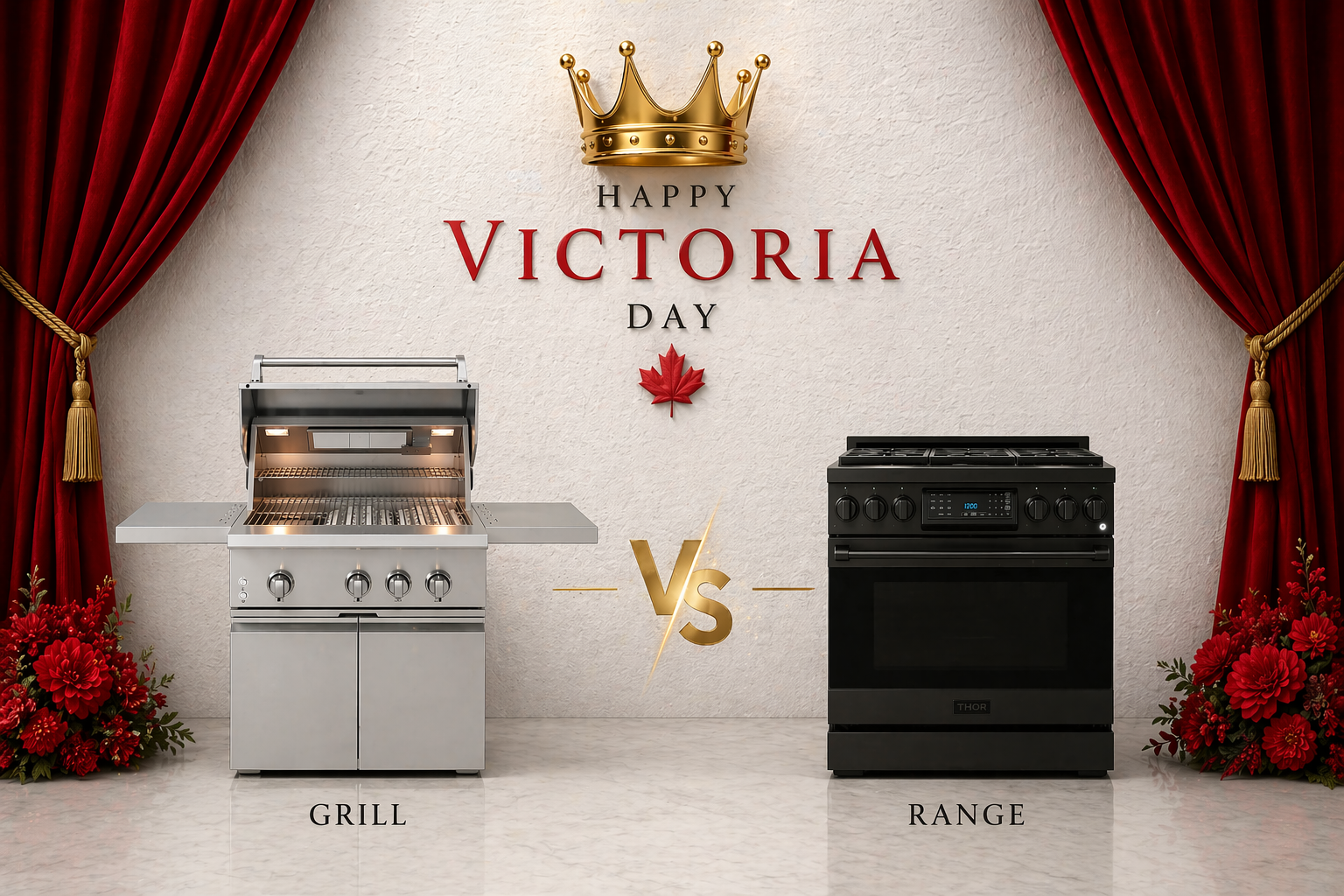
Victoria Day brings a shift in mood. Warmer days, longer evenings, and the real taste of outdoor cooking season. This is the time to slow down your busy schedule, gather people, and bring food back to the center of everything. Backyards start to heat up. Kitchens become active again. There is excitement in planning meals that feel bold, fresh, and meant to be shared. This is also when cooking becomes more intentional. Every choice matters, what goes on the grill, what stays on the stove, and how flavors are built step by step. In this transition, the discussion of grill vs range naturally emerges, highlighting the balance between smoky outdoor grilling and precise indoor cooking that together shape how real flavor is created. This post explores how both approaches define Victoria Day cooking.
Grill vs Range: Understanding Two Distinct Cooking Systems
The comparison between grill and range is not about preference, it is about function, control, and flavor development.
Grill Cooking System
Grilling is defined by direct heat exposure and open-air energy transfer. It operates under high temperature conditions where food is cooked through radiant heat and flame contact.
Key characteristics include:
- Direct flame interaction with the food surface
- High-temperature searing capability
- Smoke infusion as a flavor enhancer
- Fast caramelization and crust formation
- Outdoor dependency and exposure to environmental variation
Gas Range Cooking System
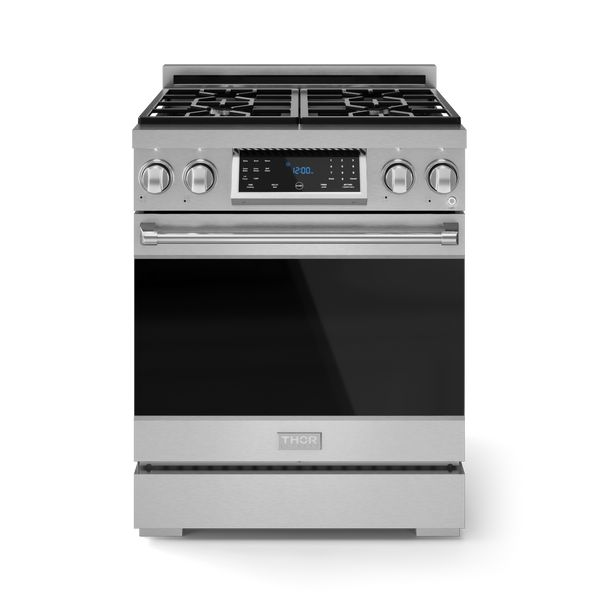
Gas range cooking operates within a controlled indoor environment where heat can be adjusted with precision and consistency. It supports multi-step cooking processes that require stability.
Key characteristics include:
- Adjustable flame and temperature control
- Even and predictable heat distribution
- Multi-burner simultaneous cooking capability
- Support for sauces, reductions, and more structured recipes
- Independence from weather conditions
Grilling Ideas That Define Victoria Day Flavor
During Victoria Day weekend, grilling becomes the centerpiece of outdoor cooking. The right grilling ideas are not just recipes, they are structured flavor systems built around heat, timing, and texture.
Classic BBQ Recipes Built for the Grill
- Marinated chicken thighs with herb glaze: Chicken thighs are ideal for grilling due to their fat content and moisture retention. When marinated in herbs and spices for several hours, they develop deep internal flavor while the grill creates a caramelized outer layer.
- Smoky ribs with slow-rendered BBQ sauce: Ribs require extended exposure to indirect heat. As connective tissues break down, BBQ sauce thickens and binds to the surface, creating layered smoky-sweet complexity.
- Grilled sausages with caramelized onions: Sausages offer fast cooking efficiency. When paired with slow-cooked onions, the result is a balance of savory richness and natural sweetness.
Seafood Grilling Execution
- Cedar plank salmon: The wood plank acts as a heat buffer, allowing gentle cooking while infusing a subtle smoky aroma. This technique prevents drying while preserving structure.
- Grilled shrimp skewers with garlic butter: Shrimp respond quickly to high heat, making timing critical. Garlic butter enhances surface flavor while maintaining tenderness.
Vegetable-Based Grilling Ideas
- Charred corn with chili-lime seasoning: Charred corn responds well to direct heat, allowing the kernels to develop a light char while retaining internal sweetness. Chili-lime seasoning adds acidity and enhances the balance between smoke and natural sugars.
- Grilled zucchini and bell peppers: Zucchini and bell peppers cook quickly over moderate heat, making timing important to prevent over-softening. The grill creates light surface charring while preserving moisture and natural flavor.
- Stuffed portobello mushrooms: Portobello mushrooms offer a dense structure that holds fillings well under heat exposure. When grilled, they develop a rich, umami-forward flavor while maintaining their shape and texture.
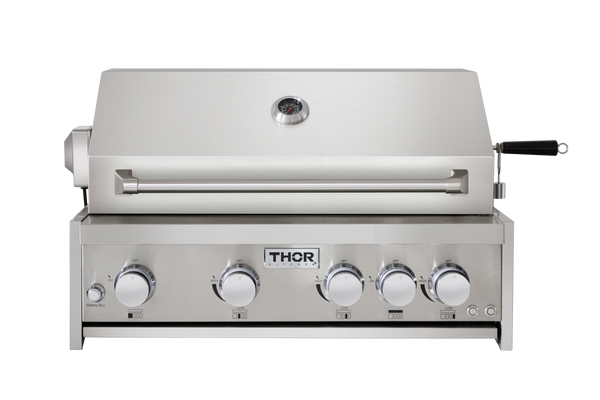
Shop Outdoor Grill from THOR KITCHEN
Range Cooking Ideas That Complement Victoria Day Meals
While grilling builds bold, smoky flavors, the gas range supports the elements that bring structure and balance to the meal. These dishes rely on controlled heat and precise execution.
Sauces and Flavor Foundations
- Garlic butter sauce: Prepared over low to medium heat, this sauce requires careful temperature control to prevent separation. It adds richness and enhances grilled proteins.
- BBQ glaze reduction: Slow simmering allows the sauce to thicken and concentrate flavors, creating a smooth coating that complements grilled meats.
Side Dishes with Controlled Cooking
- Herb-roasted potatoes: Cooked in the oven or finished on the range, these require even heat distribution to achieve a crisp exterior and soft interior.
- Sautéed vegetables: Vegetables like beans, mushrooms, and greens benefit from quick, high-heat sautéing, which preserves texture while enhancing natural flavor.
Protein Finishing
- Pan-seared steak finish: After initial grilling, steaks can be finished on the range for controlled doneness and butter basting.
- Glazed chicken or fish: Controlled heat allows sauces to reduce and coat evenly without burning, ensuring balanced flavor and texture.
Shop Kitchen Ranges from THOR KITCHEN


BBQ vs Gas Range Cooking: What Really Changes in Food Behavior
The difference between BBQ and oven cooking lies in how heat interacts with food structure, moisture retention, and flavor development.
| Aspect | BBQ Cooking | Gas Range Cooking |
|---|---|---|
| Heat Transfer | Uses direct exposure to flame or charcoal, creating intense surface heat and rapid energy transfer. | Uses controlled flame beneath cookware, allowing gradual and regulated heat distribution. |
| Flavor Development | Produces smoky, char-driven flavors from combustion and open-flame interaction. | Produces clean, controlled flavors without smoke, allowing ingredients and seasonings to stand out. |
| Texture Formation | Creates a crisp, charred exterior with a juicy interior due to high heat searing. | Produces even texture throughout, suitable for sautéing, simmering, and controlled browning. |
| Heat Control | Requires manual adjustment based on fuel, airflow, and grill setup. | Allows precise and immediate control through adjustable flame levels. |
| Cooking Consistency | Varies depending on external factors such as wind, fuel type, and grill conditions. | Delivers consistent and repeatable results in a controlled environment. |
| Ideal Application | Best for meats, seafood, and vegetables that benefit from smoke and high-heat cooking. | Best for sauces, sides, delicate proteins, and recipes that require precision and timing. |
Indoor Cooking Alternatives That Deliver Controlled Results
When outdoor cooking conditions are not ideal, indoor techniques can replicate aspects of grilling while maintaining precision.
- Grill Pans: These pans are designed with raised ridges that simulate traditional grill marks while also allowing excess fat to drain away during cooking. They are best used on gas ranges where high surface heat can be controlled for effective searing. These pans are suitable for meats and vegetables that require a moderate level of char and texture development.
- Broilers: They provide direct top-down heat that closely mimics the effect of inverted grilling. They are highly effective for finishing cooked proteins or melting toppings evenly. This method is ideal for achieving surface crispness while maintaining controlled indoor cooking conditions.
- Cast Iron Cooking: The cookware retains high heat for extended periods, making it excellent for consistent high-temperature cooking. It creates a strong searing capability similar to open-flame grilling, enhancing flavor development. This method is ideal for achieving a well-formed crust on both proteins and vegetables.
Hosting Victoria Day at Home: Structured Dual Cooking Execution
Effective hosting during Victoria Day requires coordination between indoor and outdoor cooking systems. A structured approach ensures better timing, smoother execution, and balanced flavor across all dishes.
Cooking Zone Strategy
- The outdoor grill is dedicated to preparing proteins, such as meats and seafood, where high heat and open-flame cooking enhance flavor and texture.
- The indoor range is used for sauces, sides, and complementary dishes that require precision, consistency, and controlled heat.
- Separating cooking zones helps reduce kitchen congestion and allows both cooking methods to operate efficiently at the same time.
Preparation Strategy
- Pre-cooking certain items that can be safely held or reheated helps reduce pressure during active cooking hours.
- Organizing all ingredients in advance, including chopped vegetables, marinated proteins, and measured spices, ensures a smoother workflow.
- Proper preparation minimizes delays and allows faster execution when multiple dishes need to be managed together.
Workflow Strategy
- Cooking tasks should be sequenced based on timing and heat requirements, starting with dishes that require longer cooking durations.
- Running grill and range cooking simultaneously helps improve efficiency and ensures all components progress in parallel.
- A structured workflow prevents overlap and ensures that all dishes are ready to serve at the same time.
Menu Structure Strategy
- The menu should include grilled items such as chicken skewers that provide quick and flavorful protein options.
- Slow-cooked BBQ ribs should be included to deliver depth of flavor through controlled, extended cooking.
- Side dishes like garlic butter corn from the grill and herb-roasted potatoes from the gas range create balance and variety.
- Fresh seasonal salad should be added to provide contrast and lightness to the overall meal.
- A pre-prepared dessert should be included to ensure a smooth and stress-free final course.
What truly defines better cooking this Victoria Day, bold outdoor grilling or precise indoor control? The answer lies in how well you can manage both. For home cooks looking to bring that balance into their kitchen, THOR Kitchen delivers professional-grade appliances designed to handle high-performance cooking with ease. From powerful gas ranges that offer precise flame control to durable, restaurant-inspired design built for consistency, THOR Kitchen helps transform everyday meals into intentional, flavor-driven experiences. This Victoria Day weekend, elevate how you cook by choosing tools that give you control, confidence, and the ability to bring out real flavor every time.