




Filters
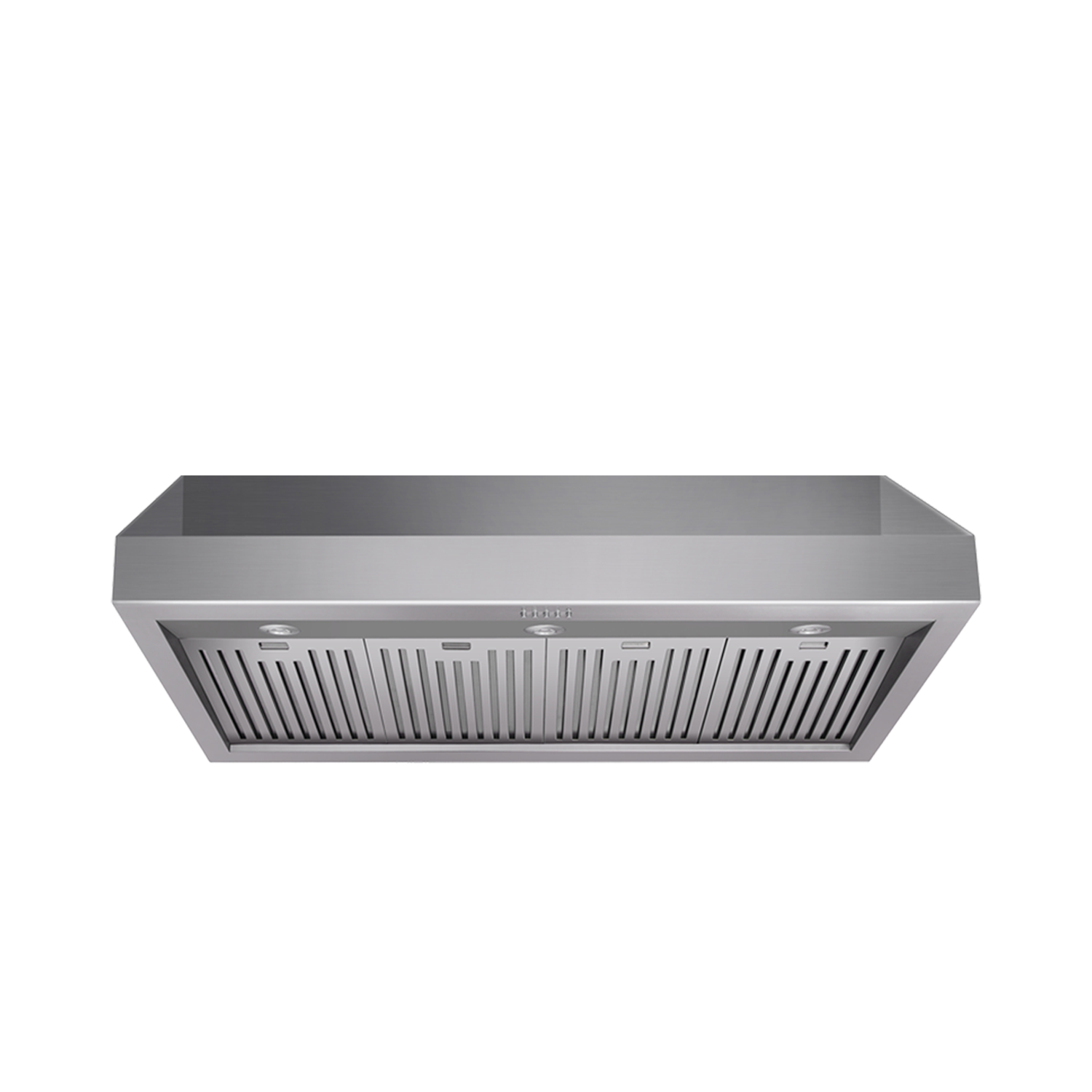
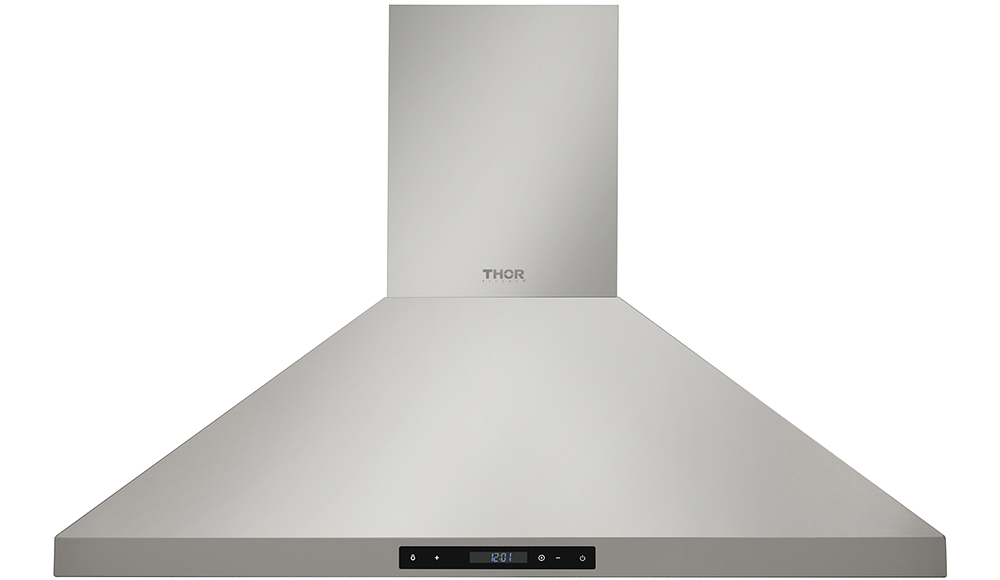
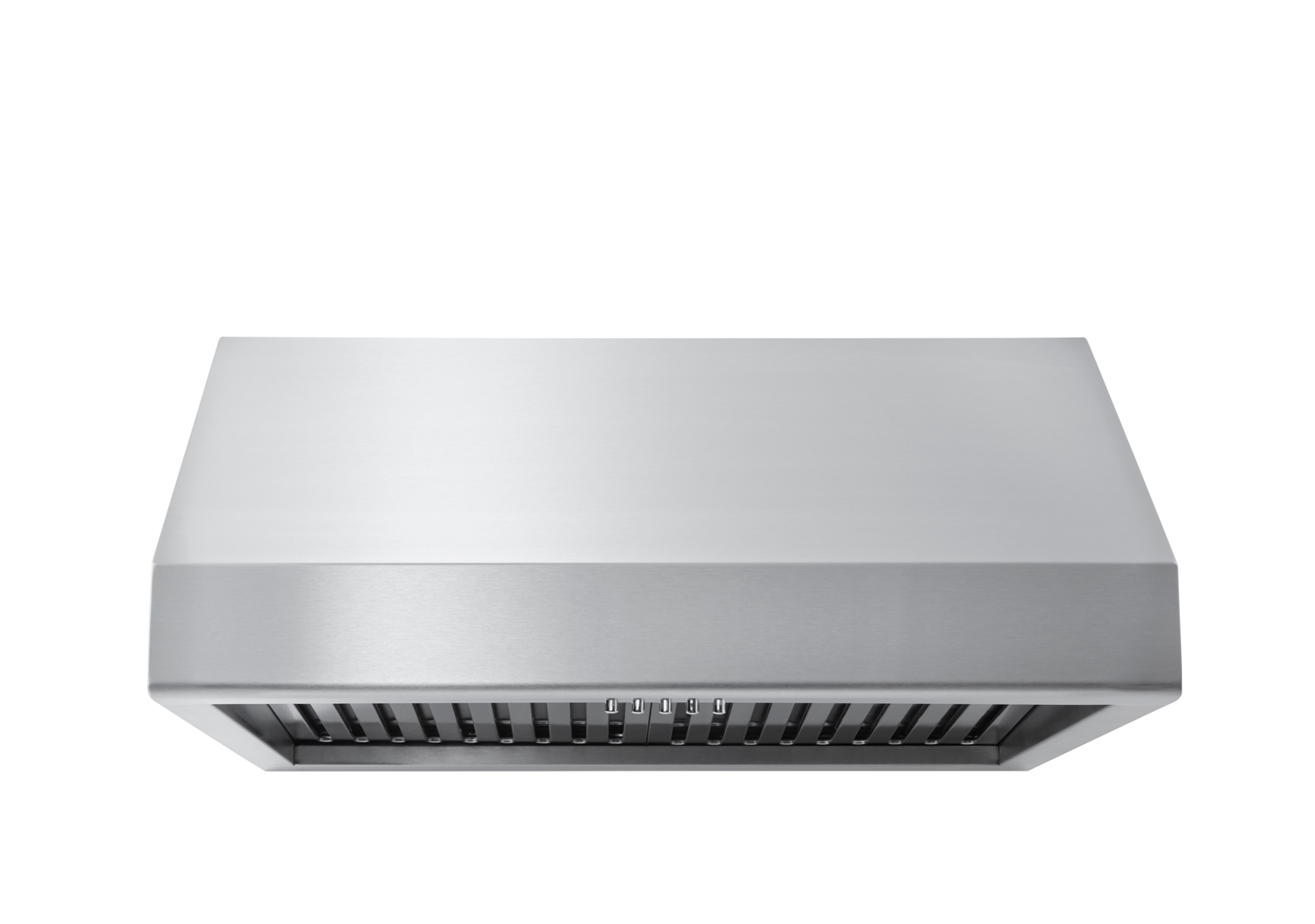
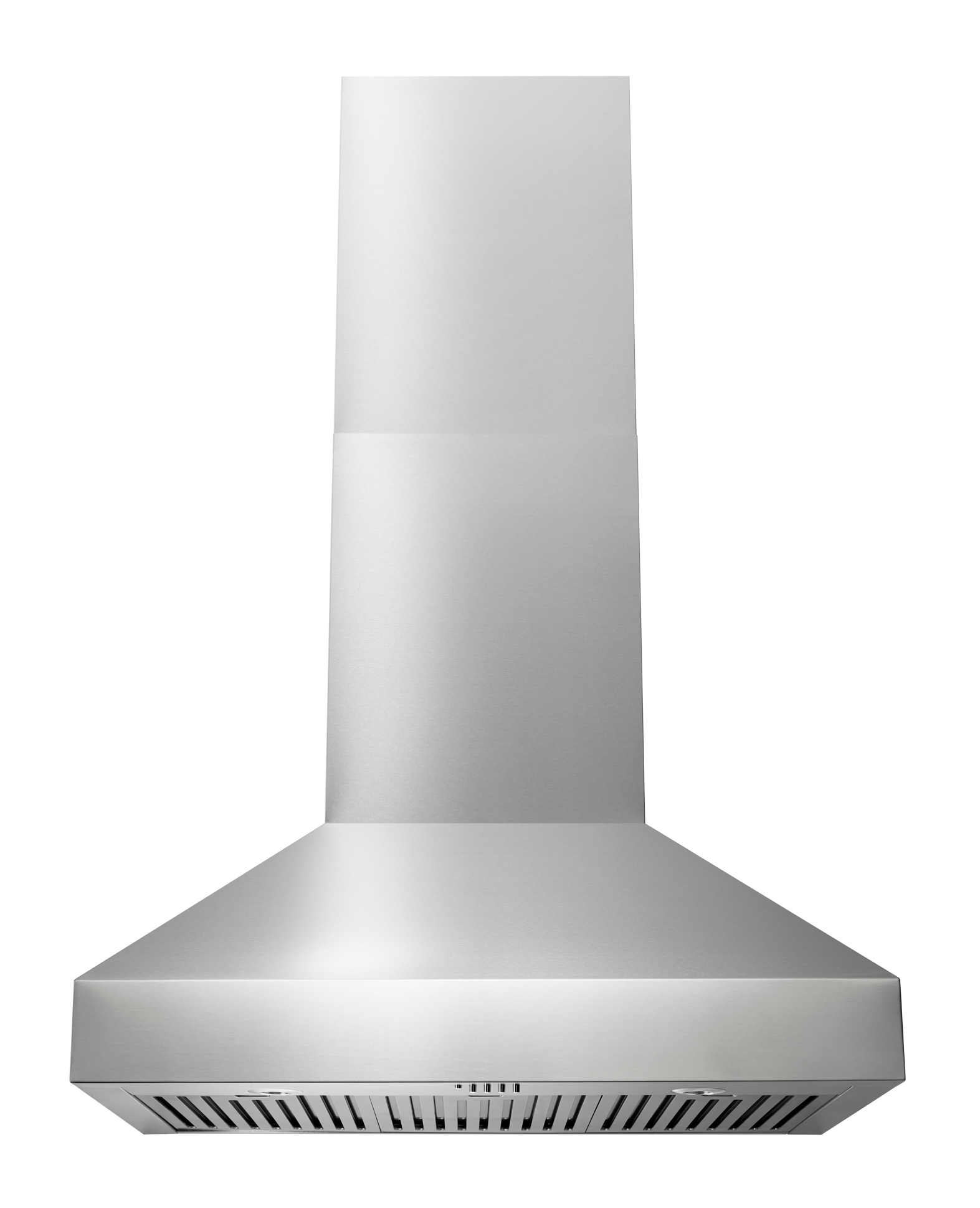
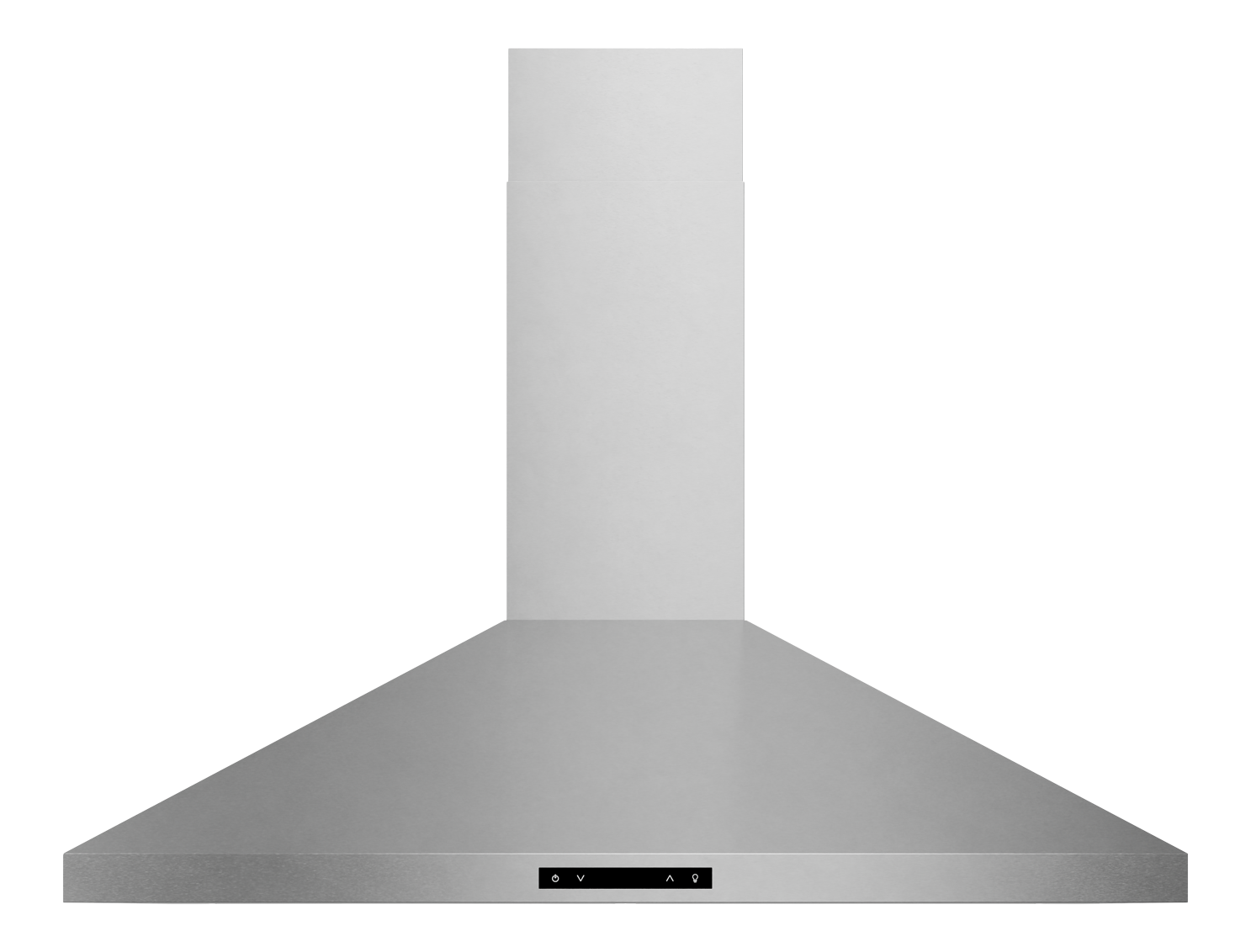
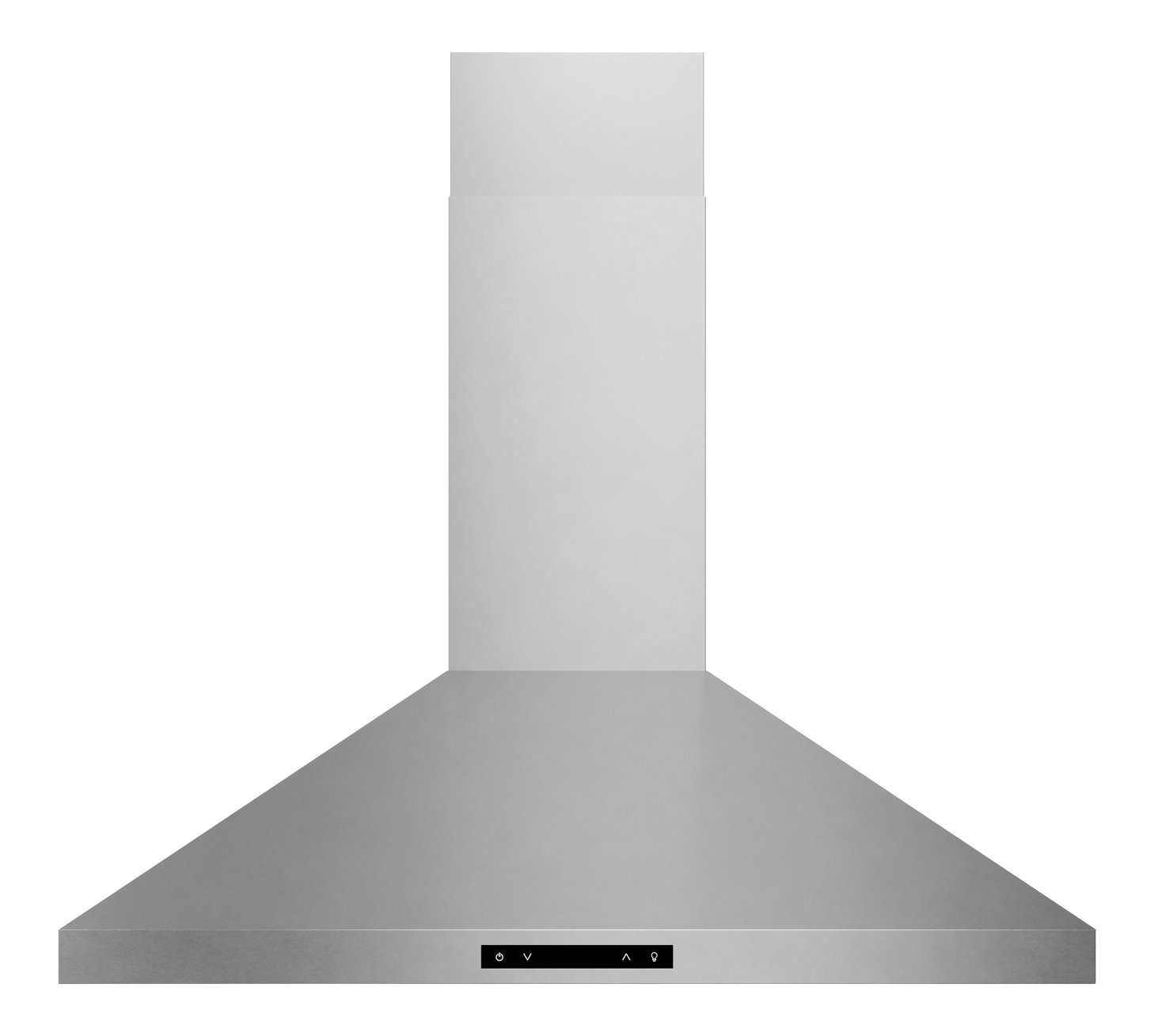
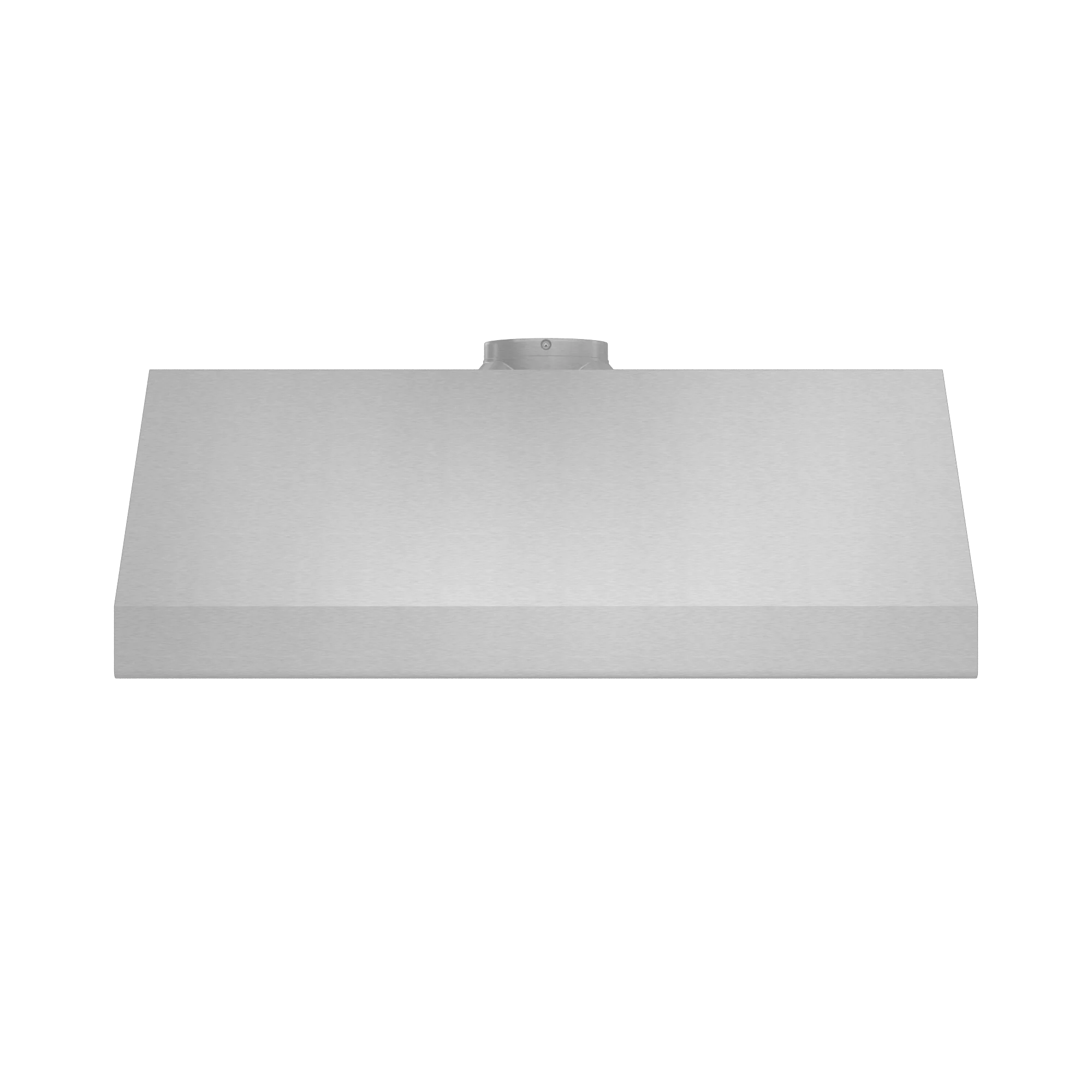
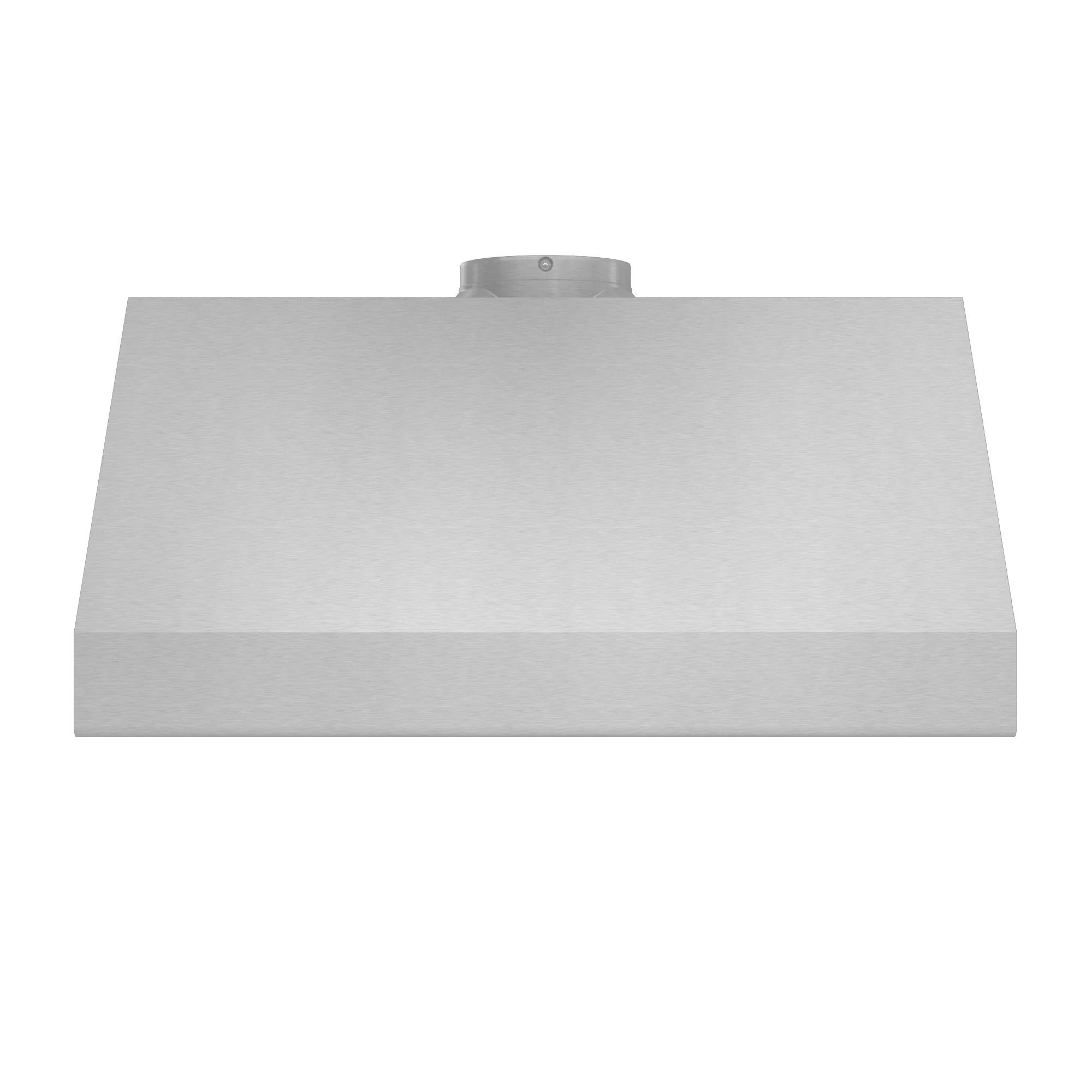
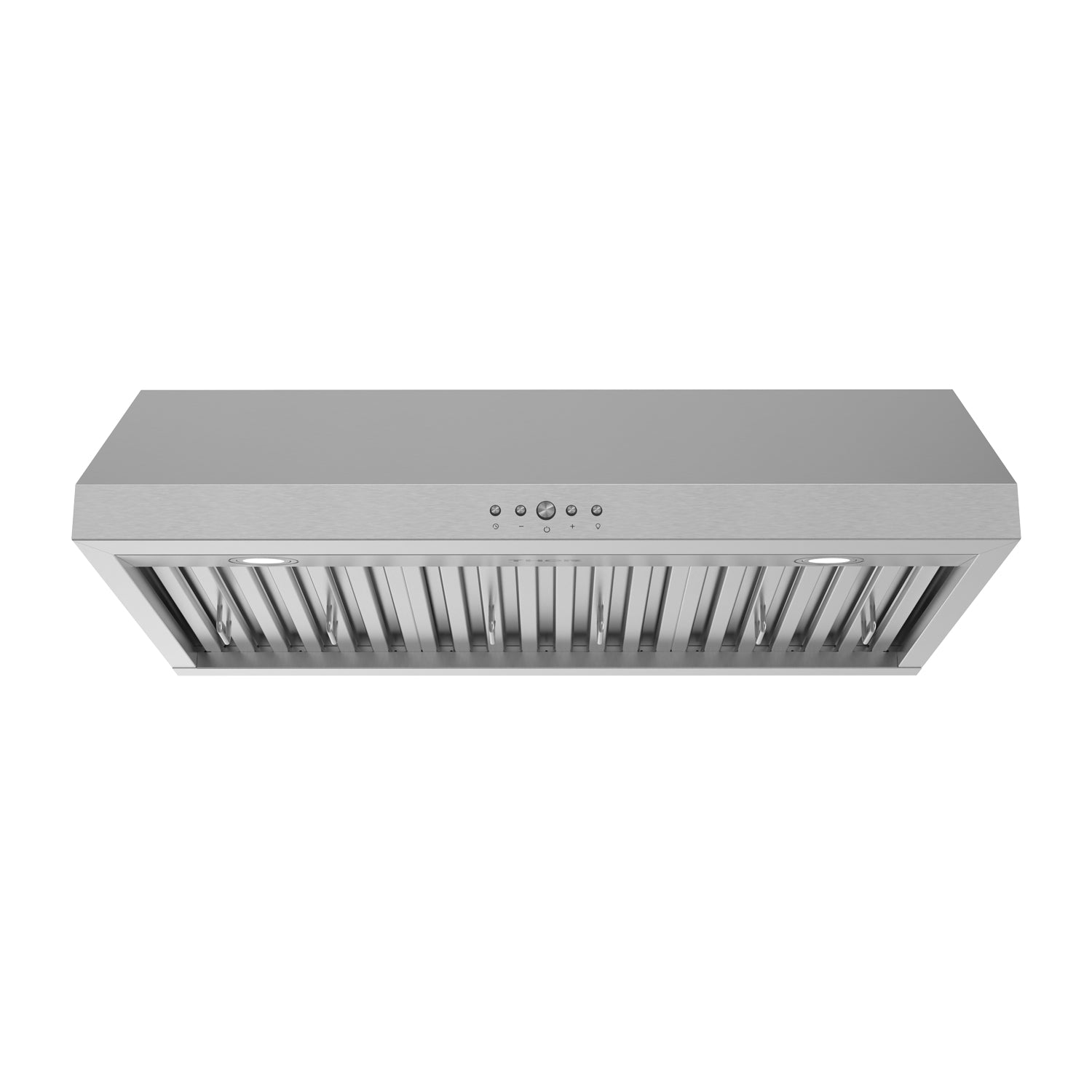
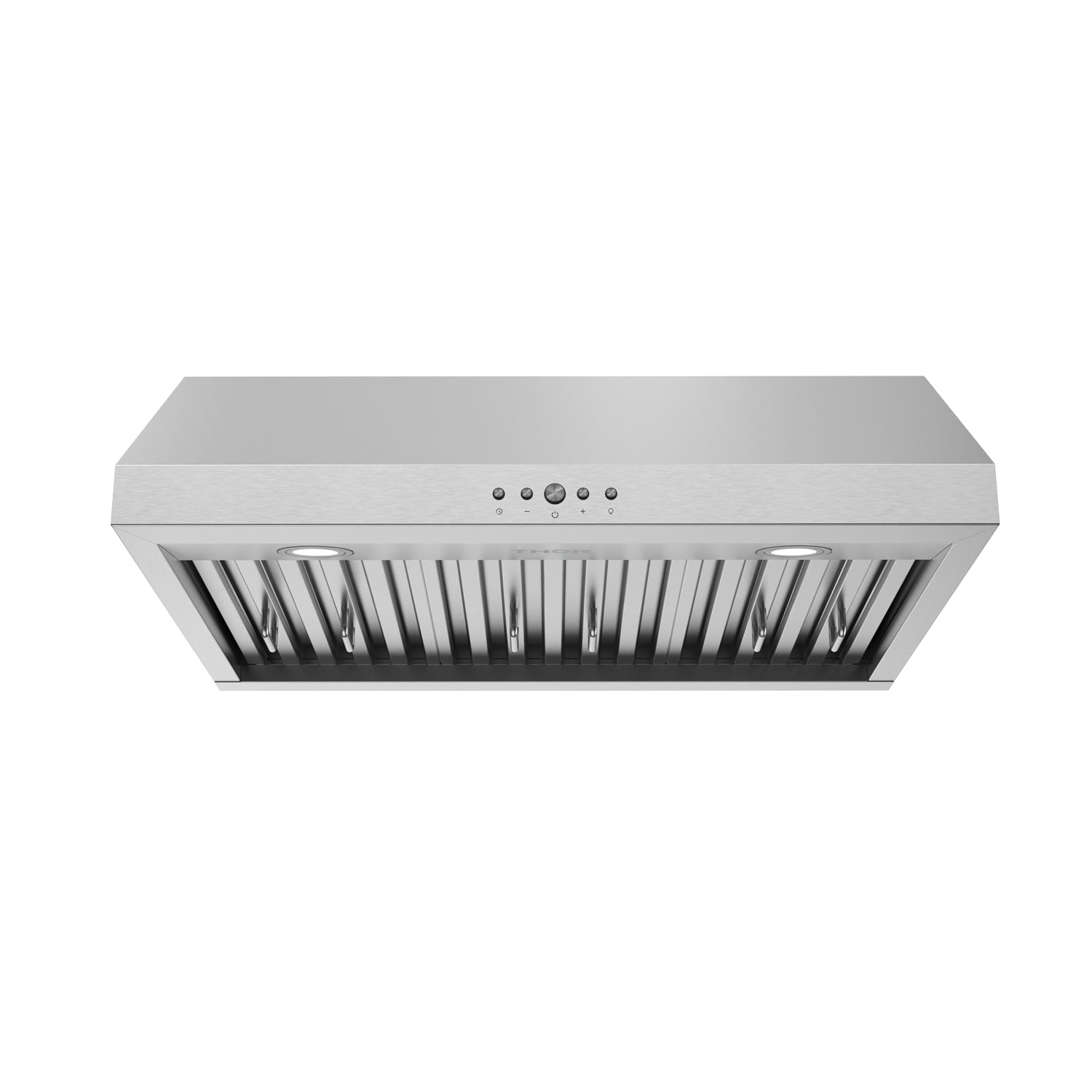
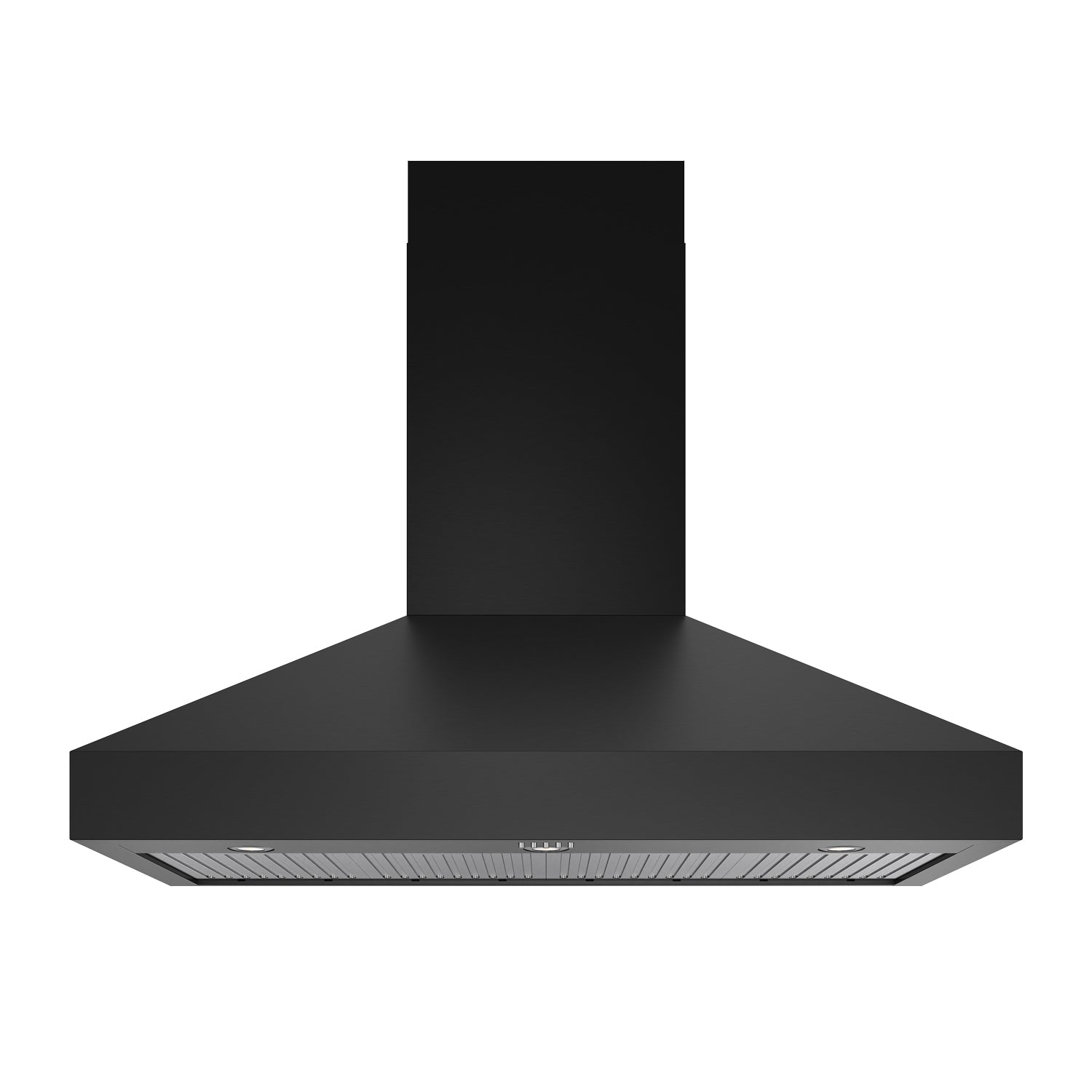
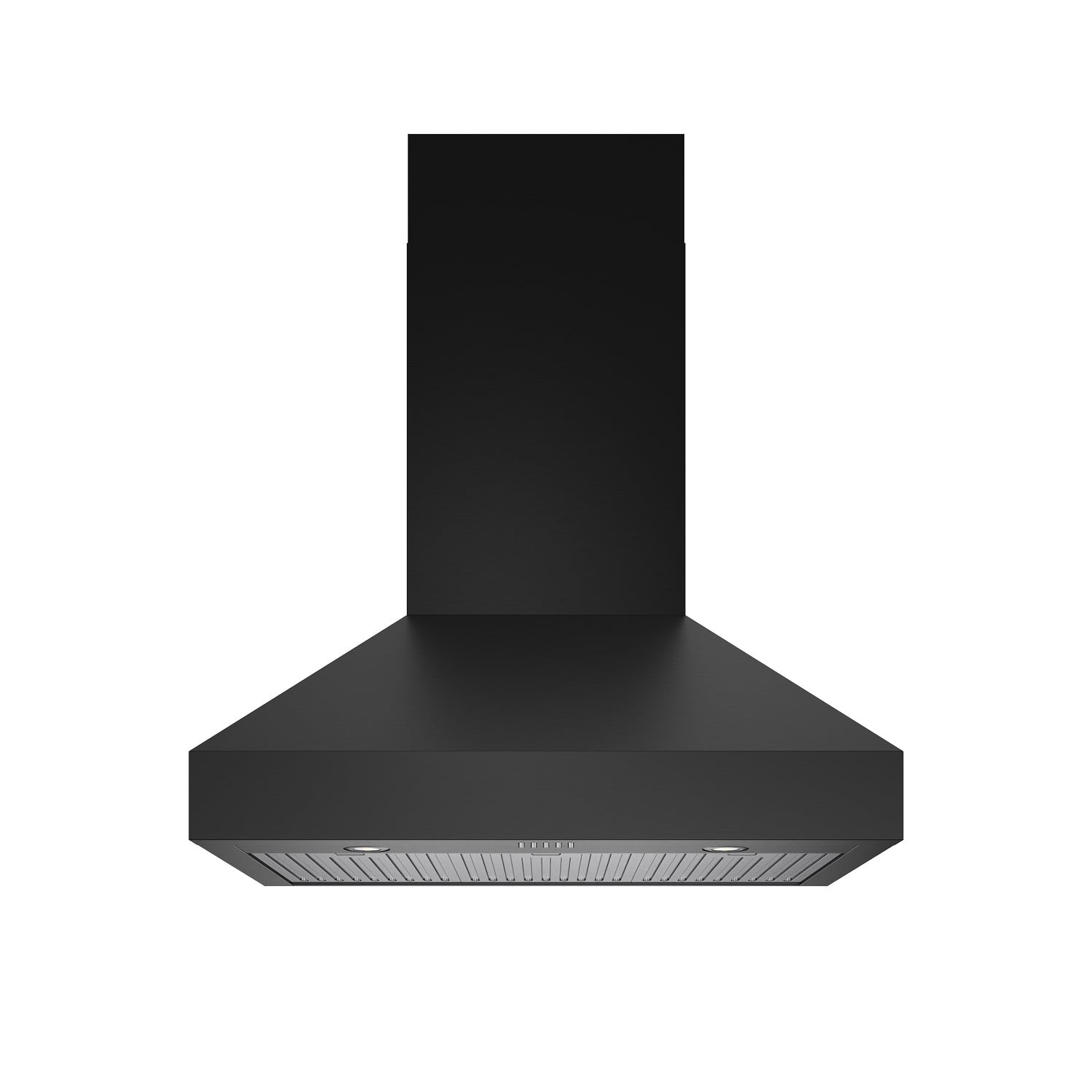
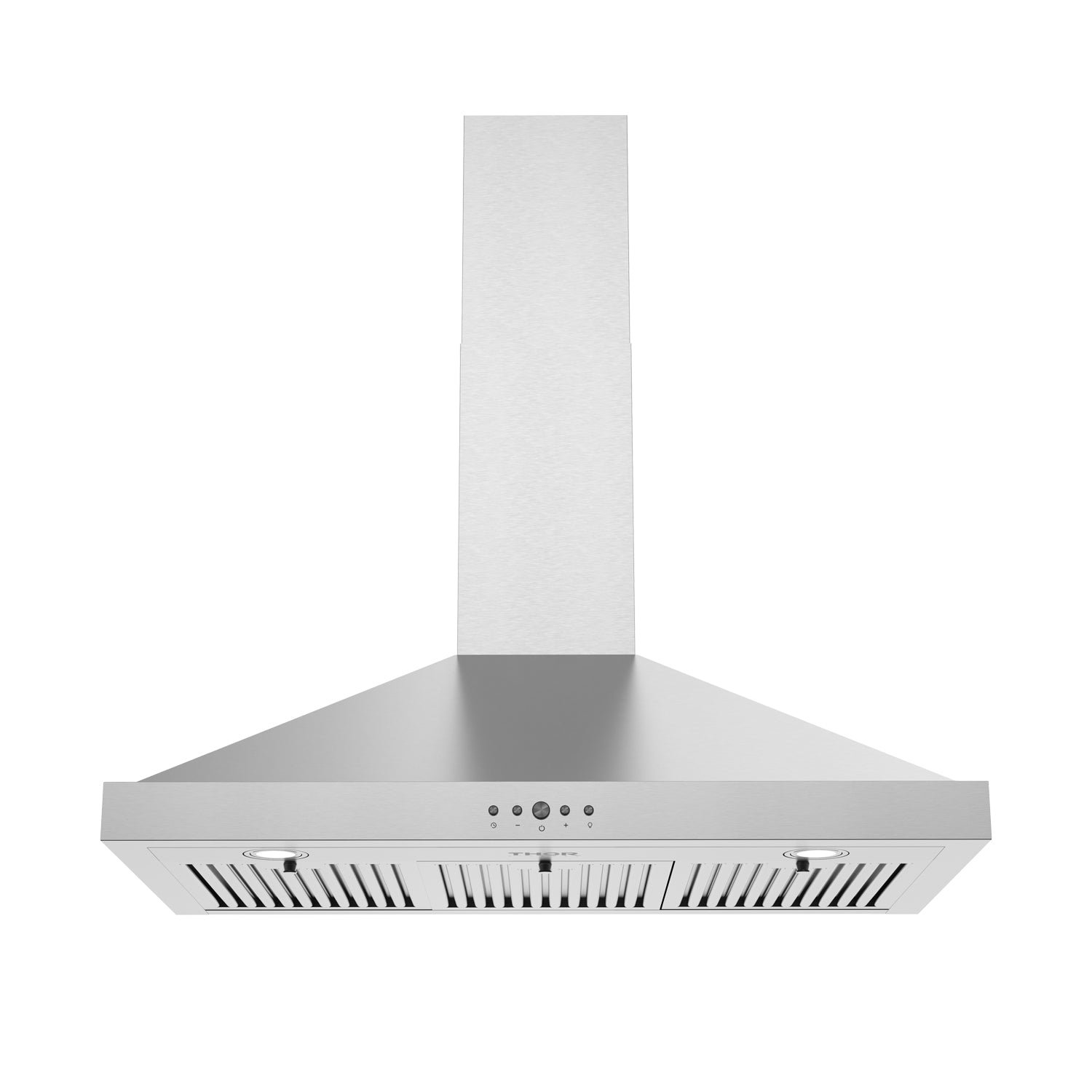
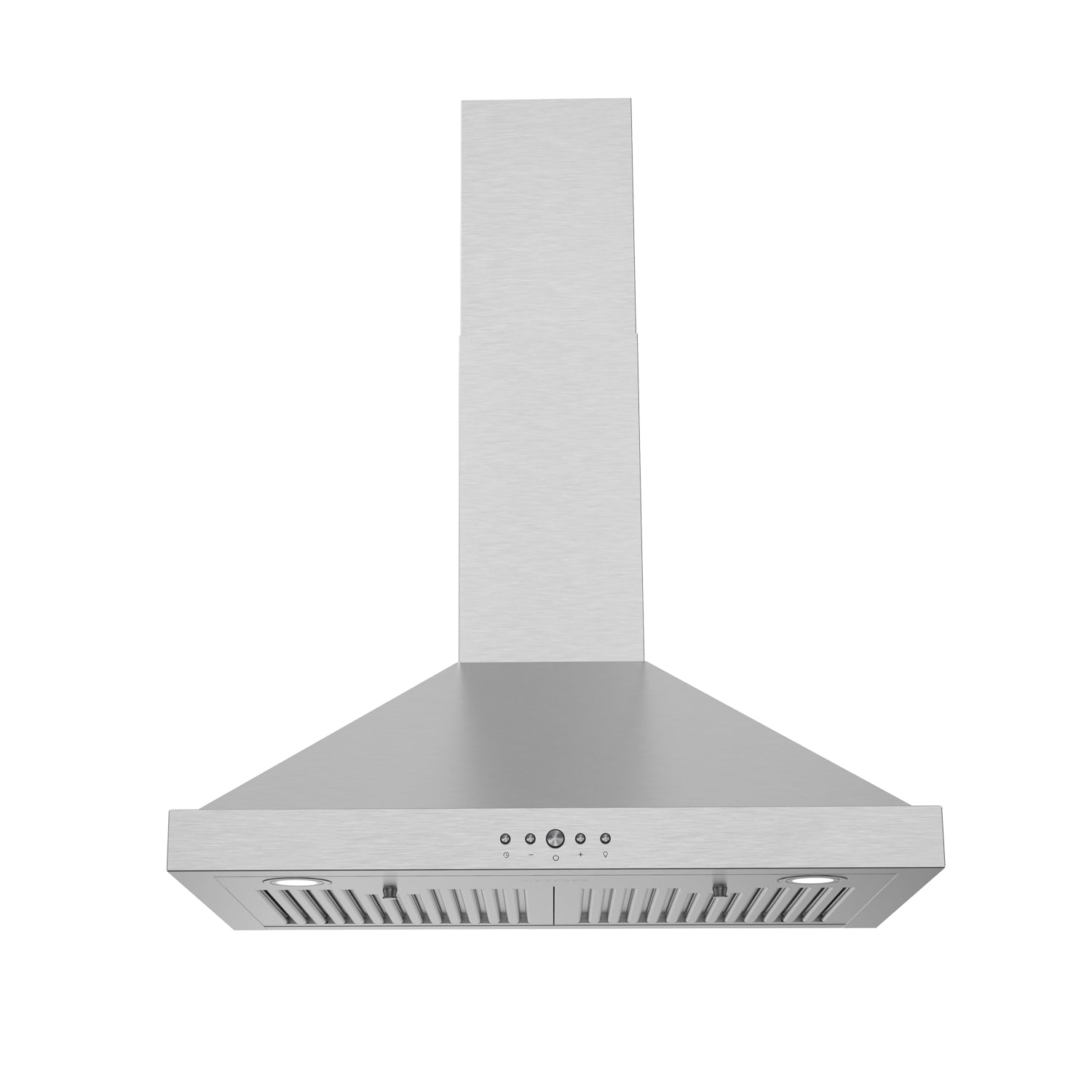
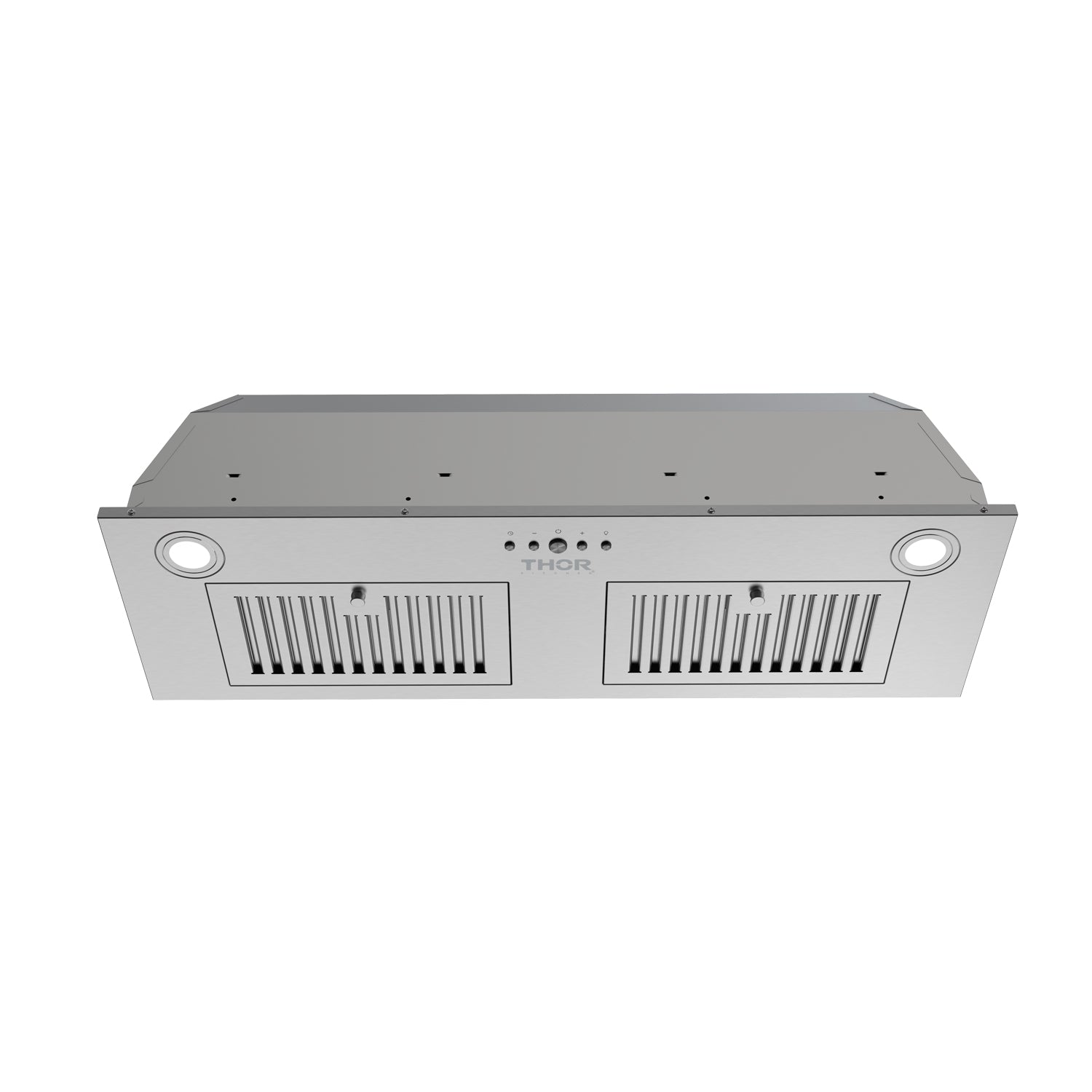
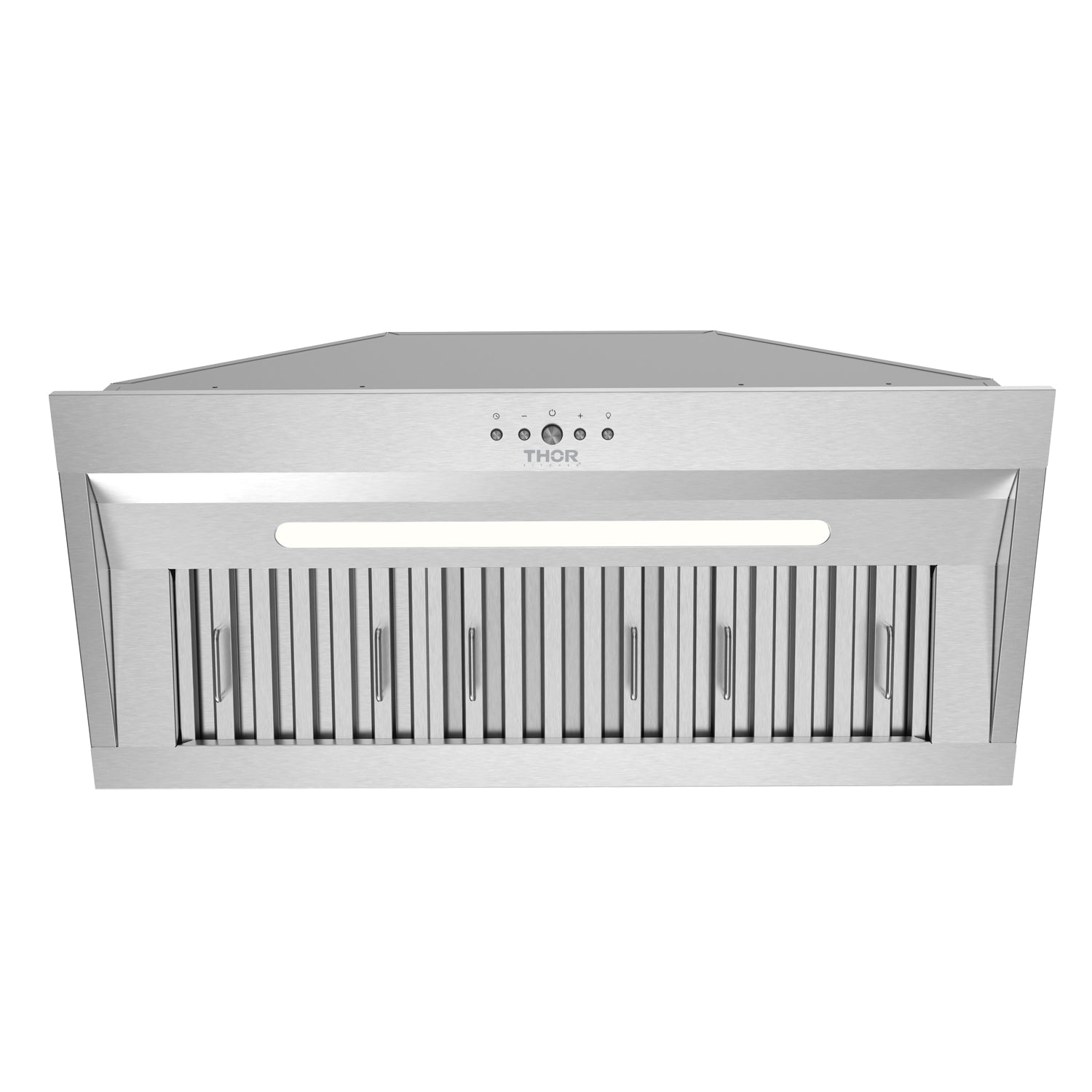
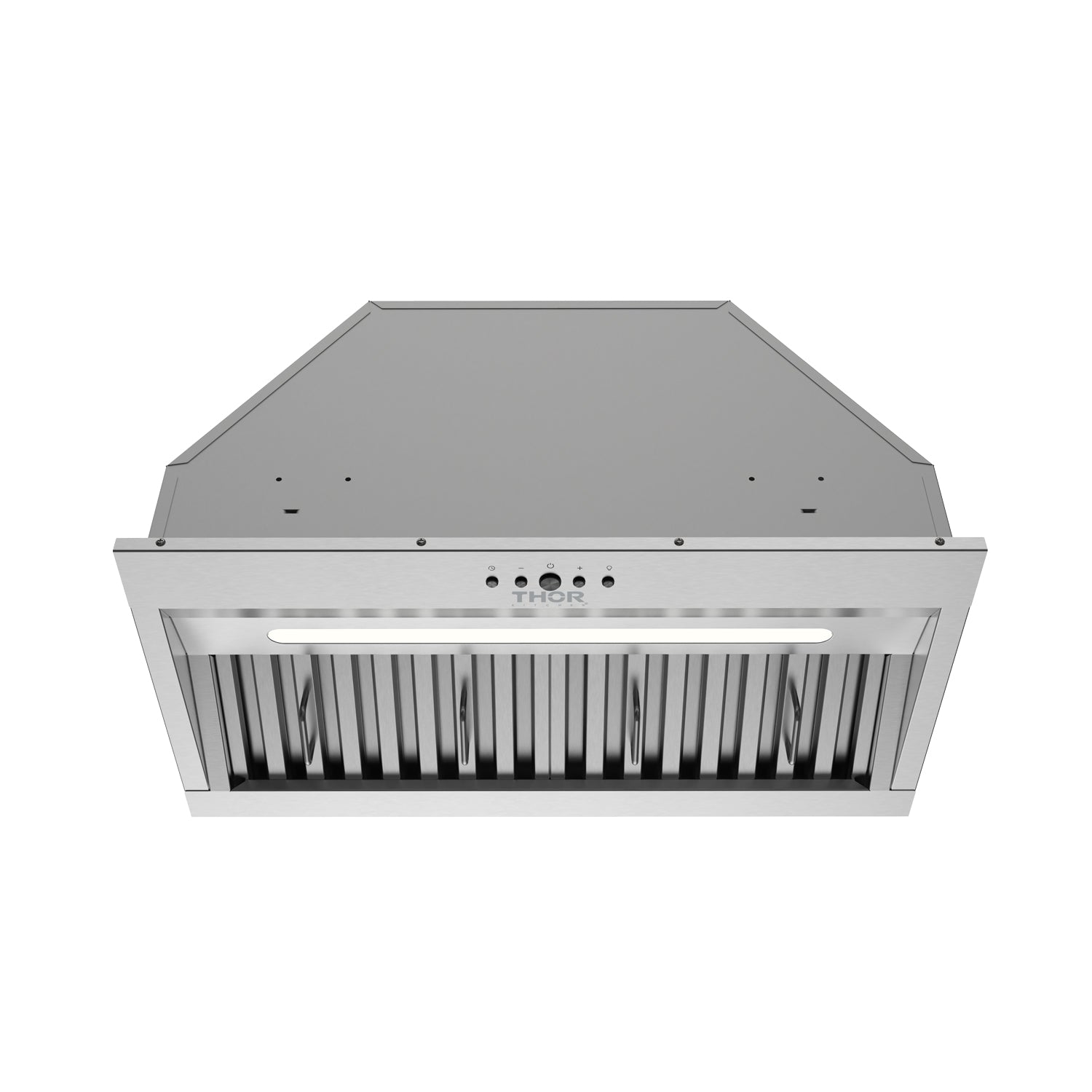
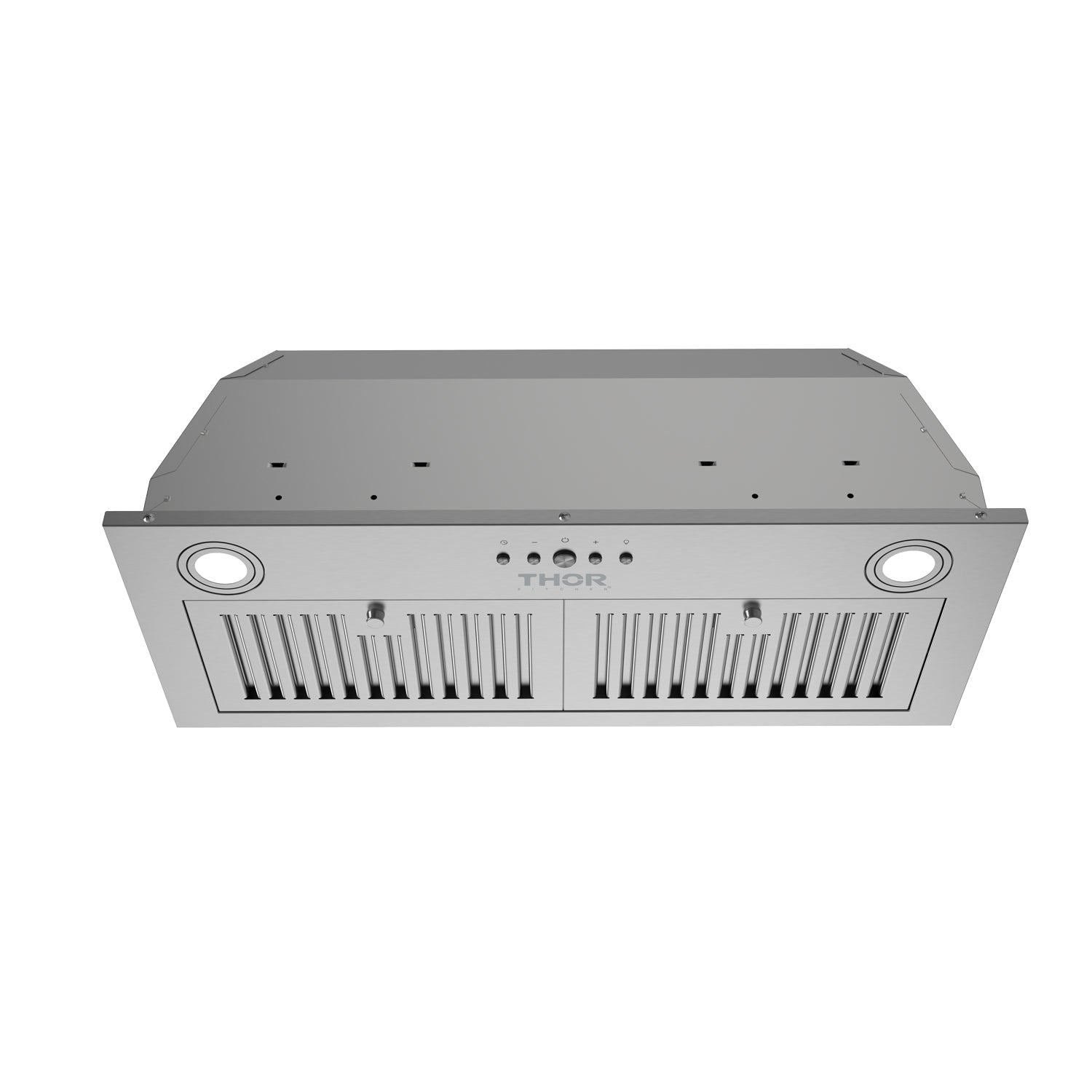
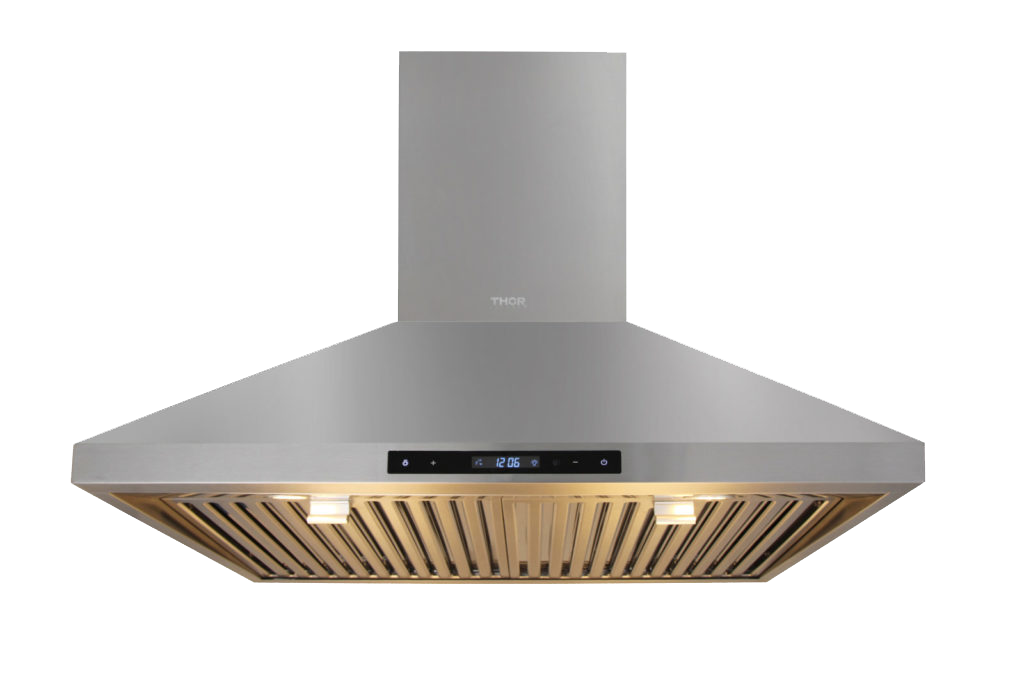
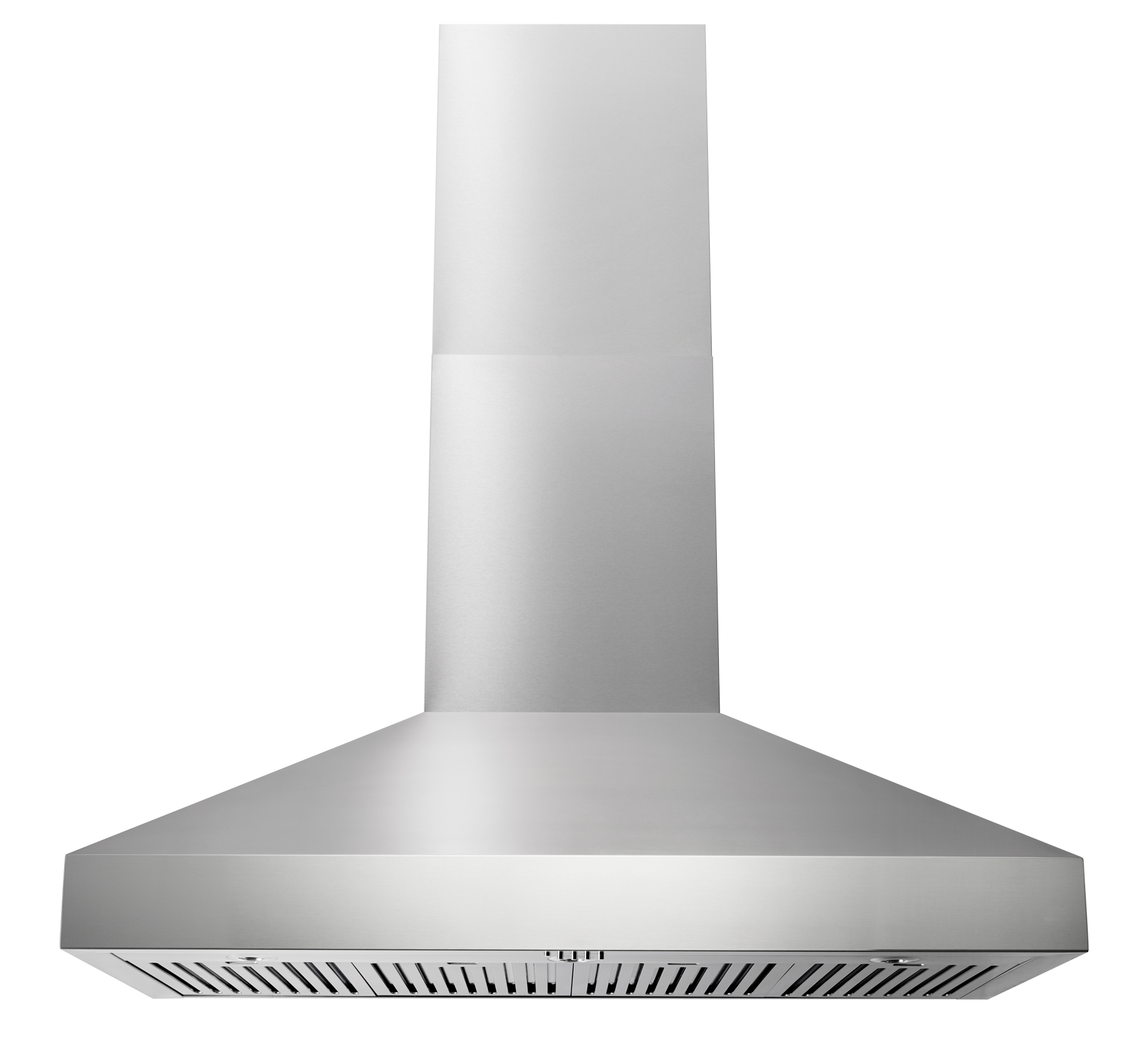
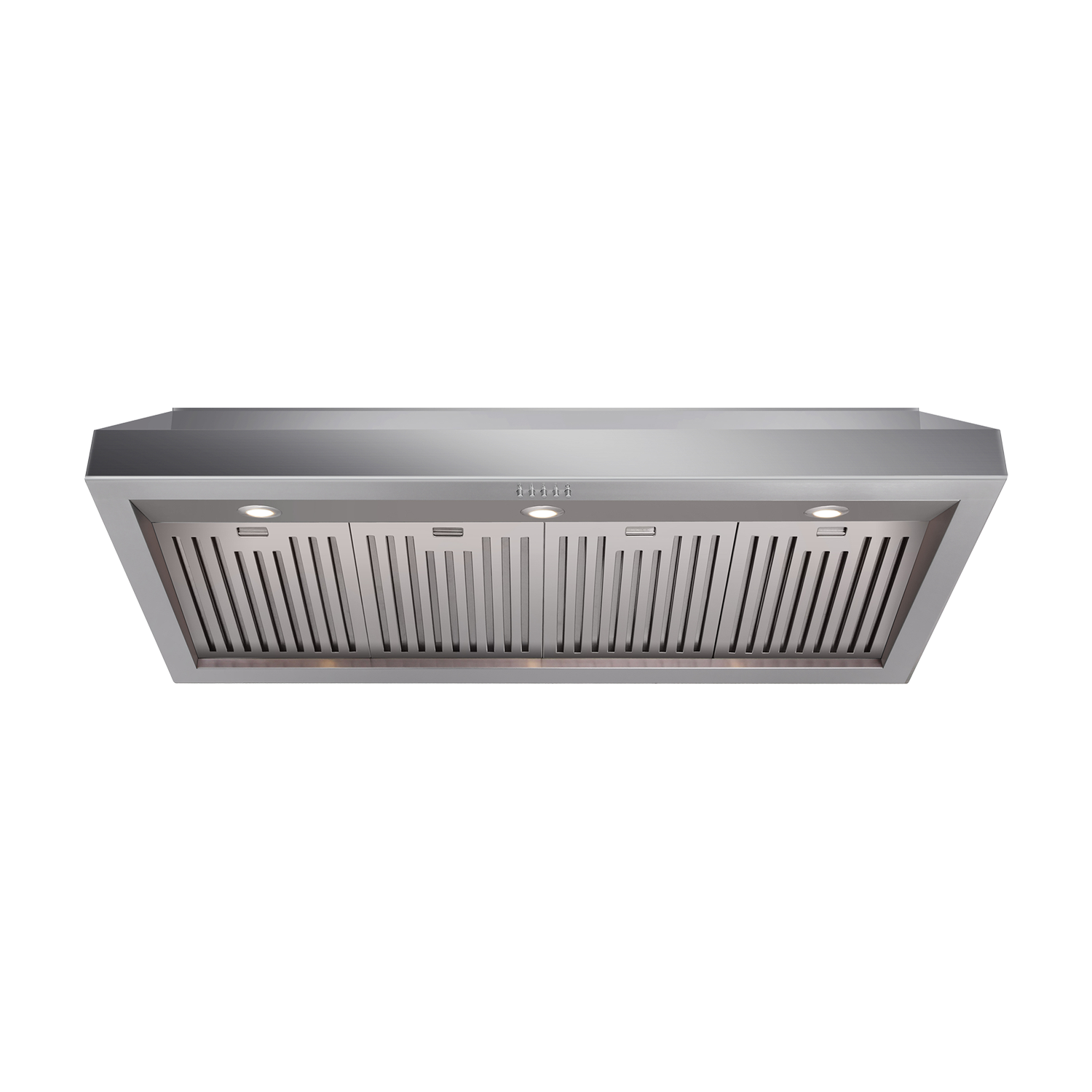
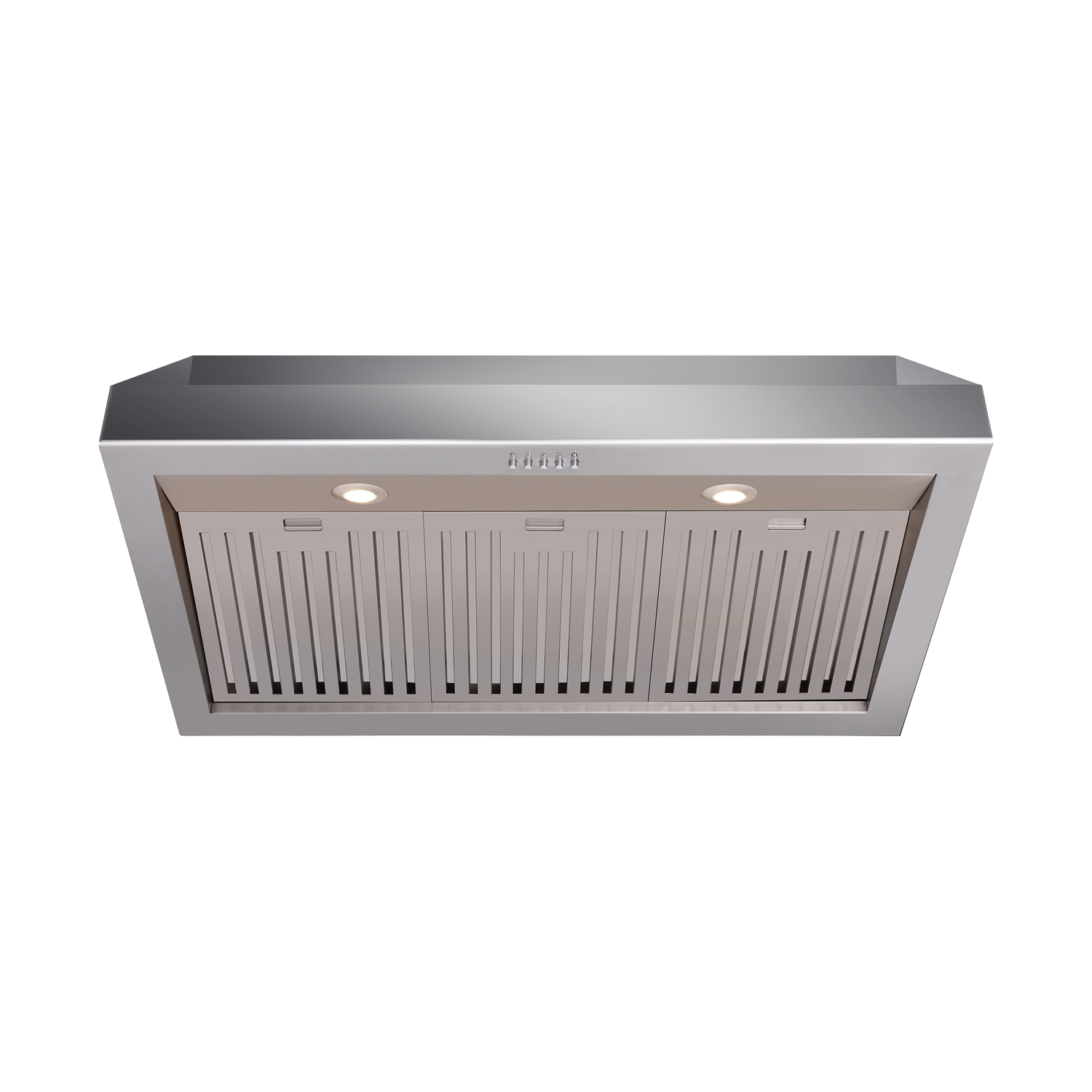
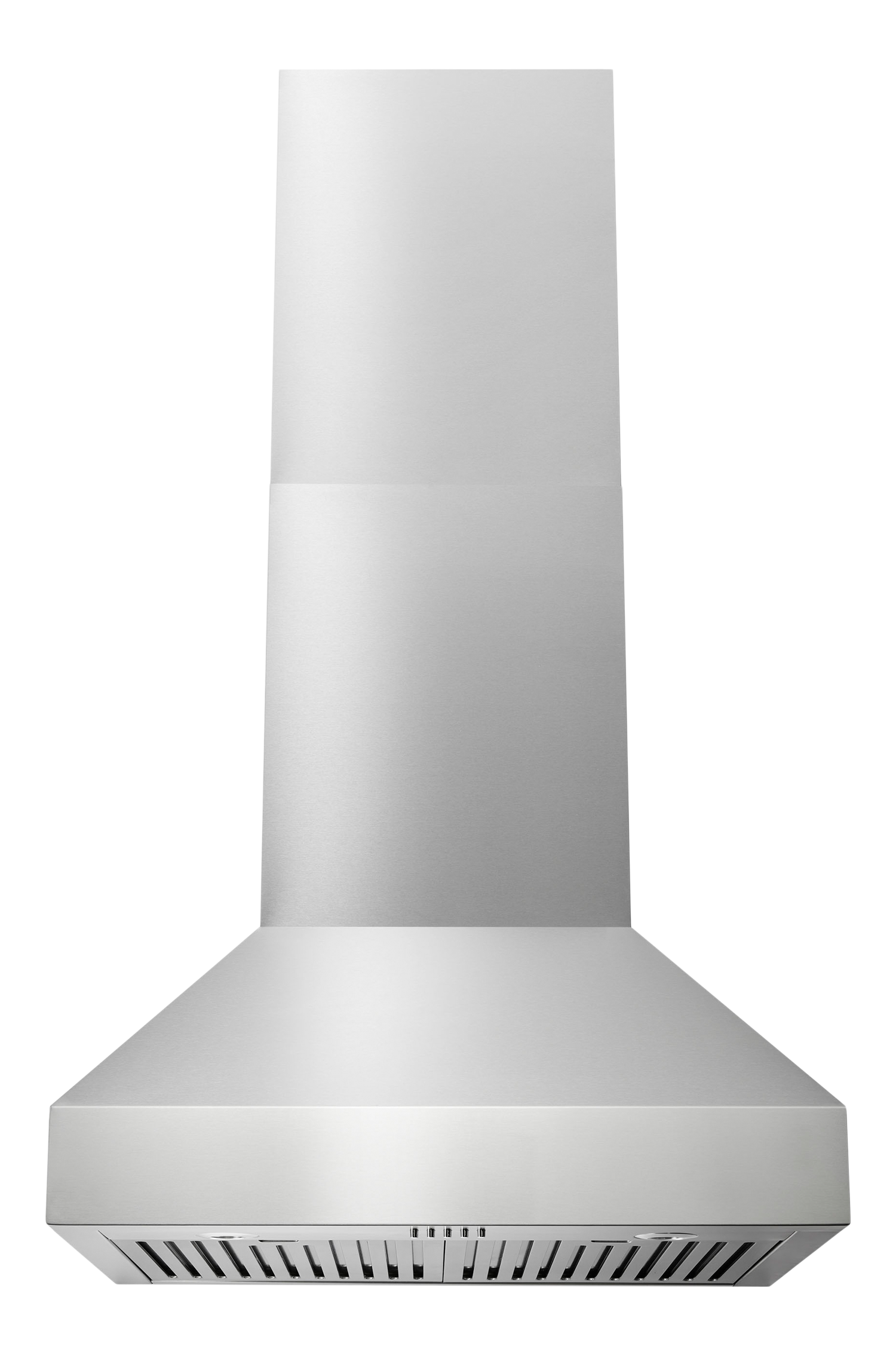
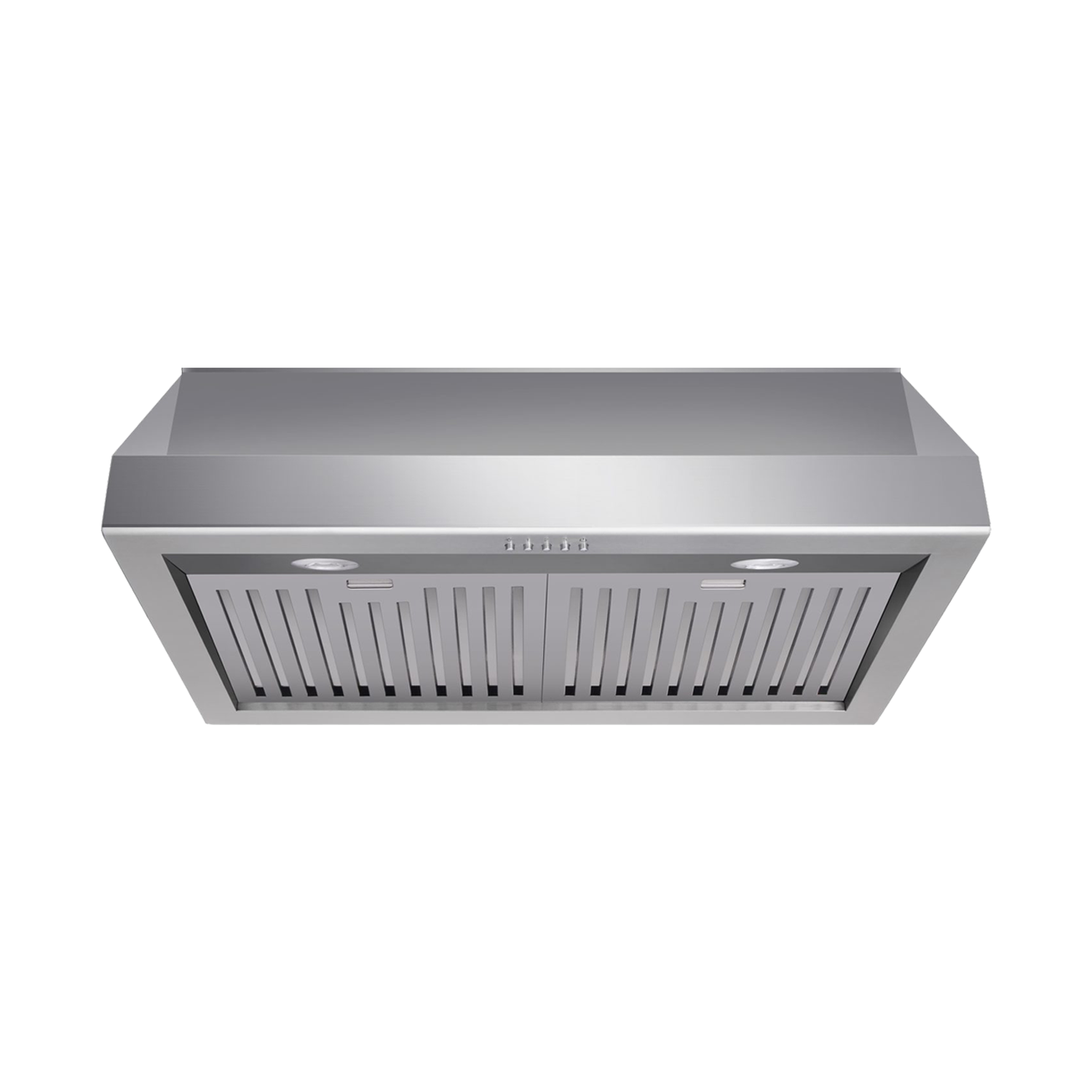
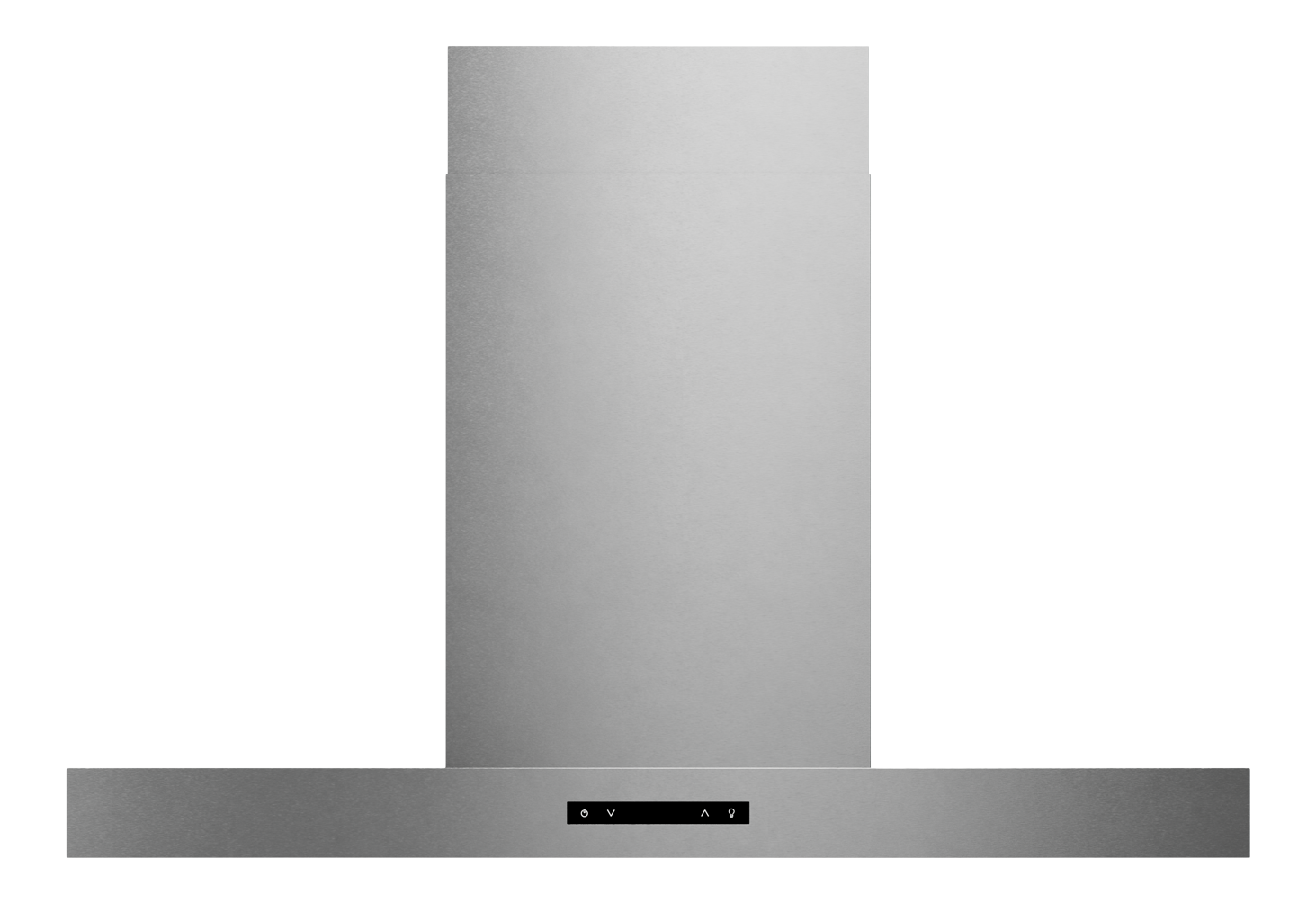
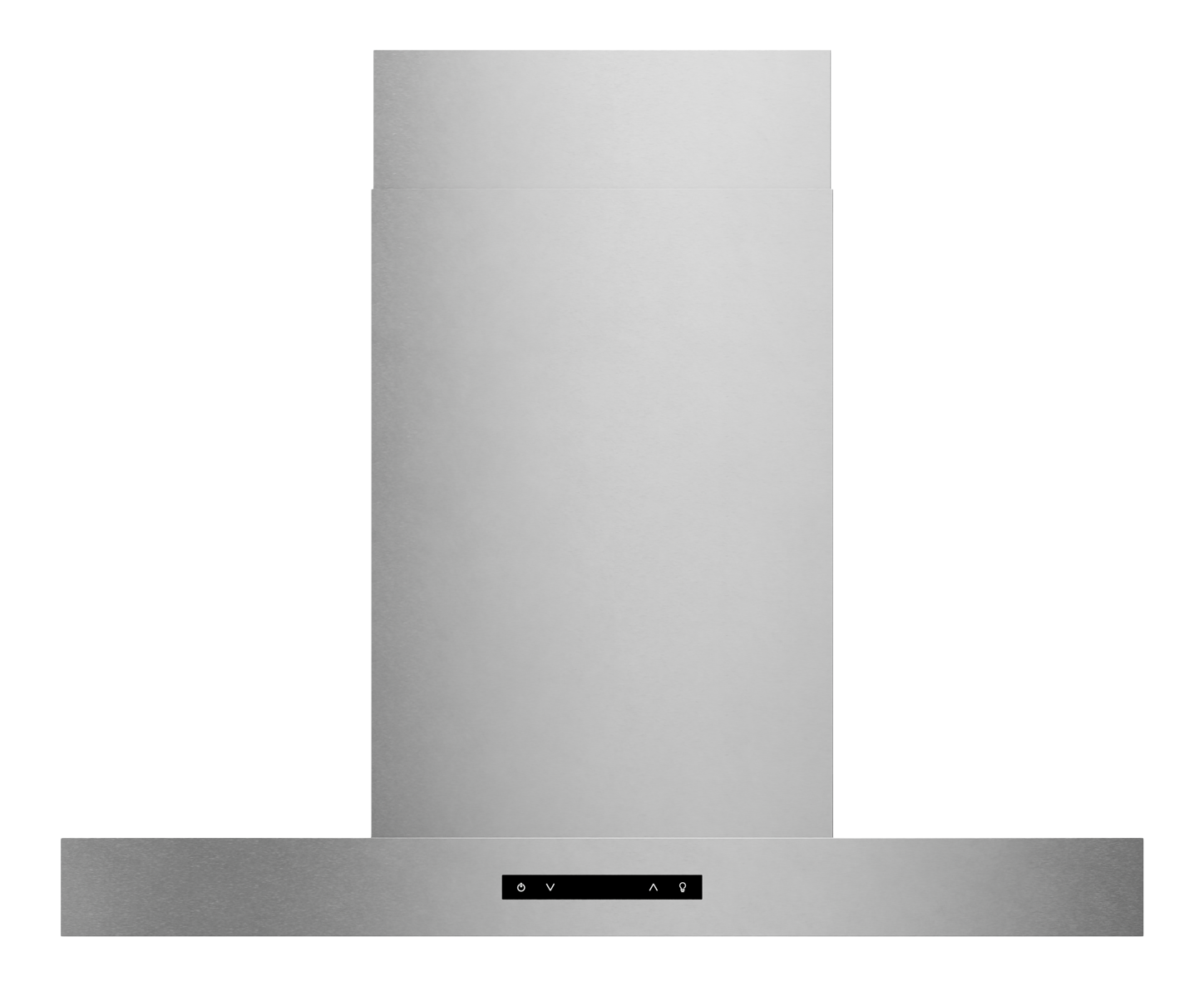
Installing a range hood yourself is possible if you have basic electrical and ducting skills, but professional installation is recommended for optimal performance and safety. Proper installation ensures the hood ventilates correctly and meets building and electrical codes, especially for ducted setups.
To keep your hood working efficiently, clean the filters every 1–2 months. If you cook often or use high heat, clean them more frequently to prevent grease buildup and maintain effective airflow.
Yes. THOR Kitchen offers wall-mount and island range hoods that can be adapted for high ceilings. We recommend professional installation to ensure correct mounting and effective ventilation for taller spaces.
The best range hood depends on your cooking needs and kitchen layout. Many homeowners recommend THOR Kitchen for its balance of performance, durability, and value, making it one of the best overall choices. When selecting a range hood, consider proper CFM (airflow), the right hood type (wall-mount, under-cabinet, or island), and features like dishwasher-safe filters and quiet operation.
No, not all range hoods need to be vented outside. Ducted range hoods vent air outdoors and offer the most effective removal of smoke, grease, and odors. Ductless (recirculating) range hoods filter the air and return it to the kitchen, making them suitable when exterior ducting is not available. Always check local building codes before installation.
A range hood helps remove smoke, grease, odors, and excess heat from your kitchen. It improves indoor air quality, keeps cabinets and walls cleaner, and creates a more comfortable cooking environment while helping protect your kitchen surfaces over time.