




Filters


Measure your kitchen space—including doorways, countertops, and floor space—and consider your household size and storage needs.
Commercial models are built tougher with bigger capacity, designed for heavy use in restaurants and large kitchens.
Absolutely! Keep an eye out especially during holidays and seasonal sales here.
Most modern refrigerators last between 10 to 20 years, depending on use and care.
Energy use varies, but ENERGY STAR® certified refrigerators are designed to save electricity without sacrificing performance.
Some models are straightforward, but professional installation is recommended to ensure proper leveling and hookups.
Regular cleaning of coils, checking door seals, defrosting manual models, and keeping the interior clean helps maintain performance.
Frost-free models prevent ice buildup automatically, while manual defrost models require occasional unfreezing but can be more energy-efficient.
Yes, most require a water line. Some models offer portable or manual ice maker options if plumbing isn’t available.
They usually connect via Wi-Fi and sync with apps for remote control and monitoring.
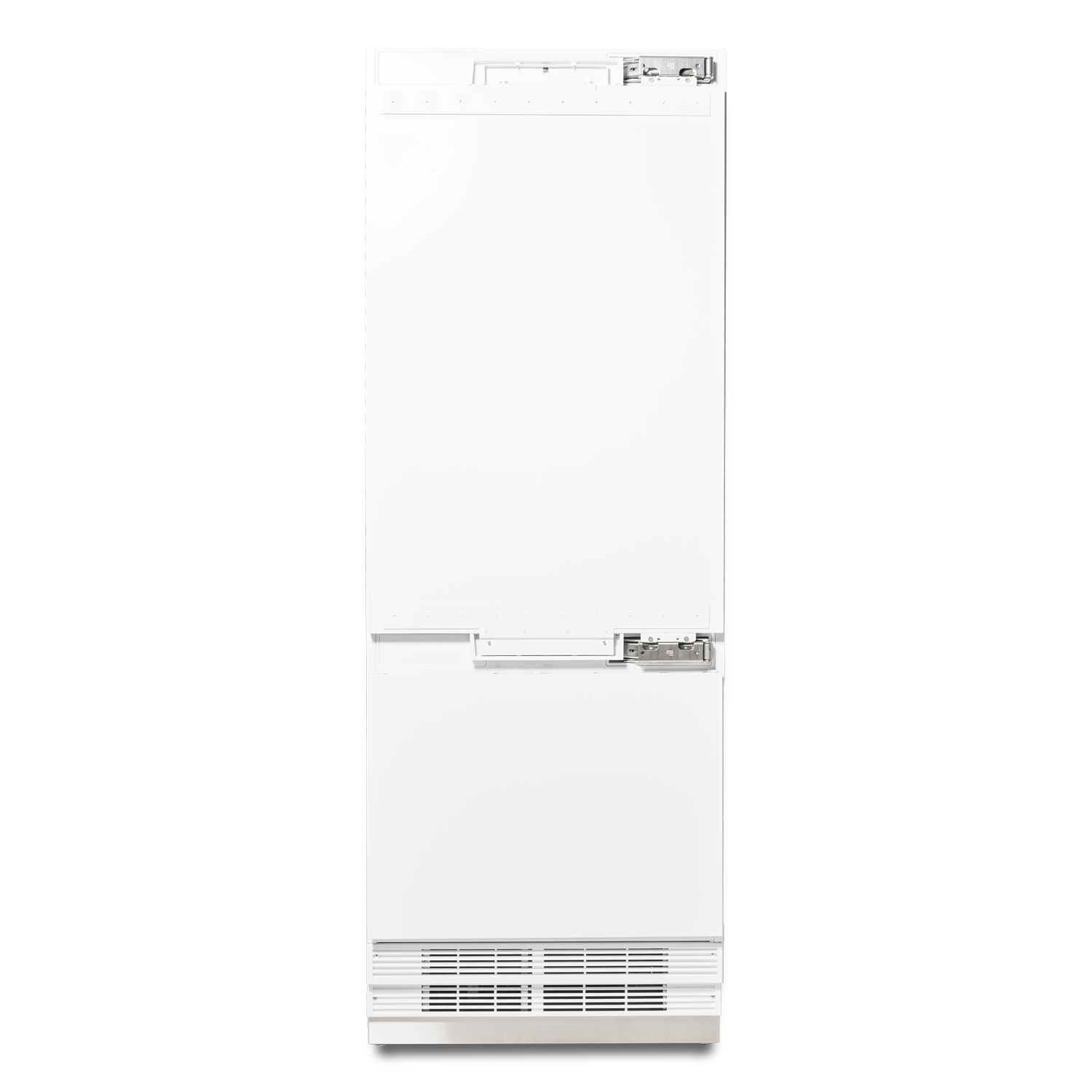
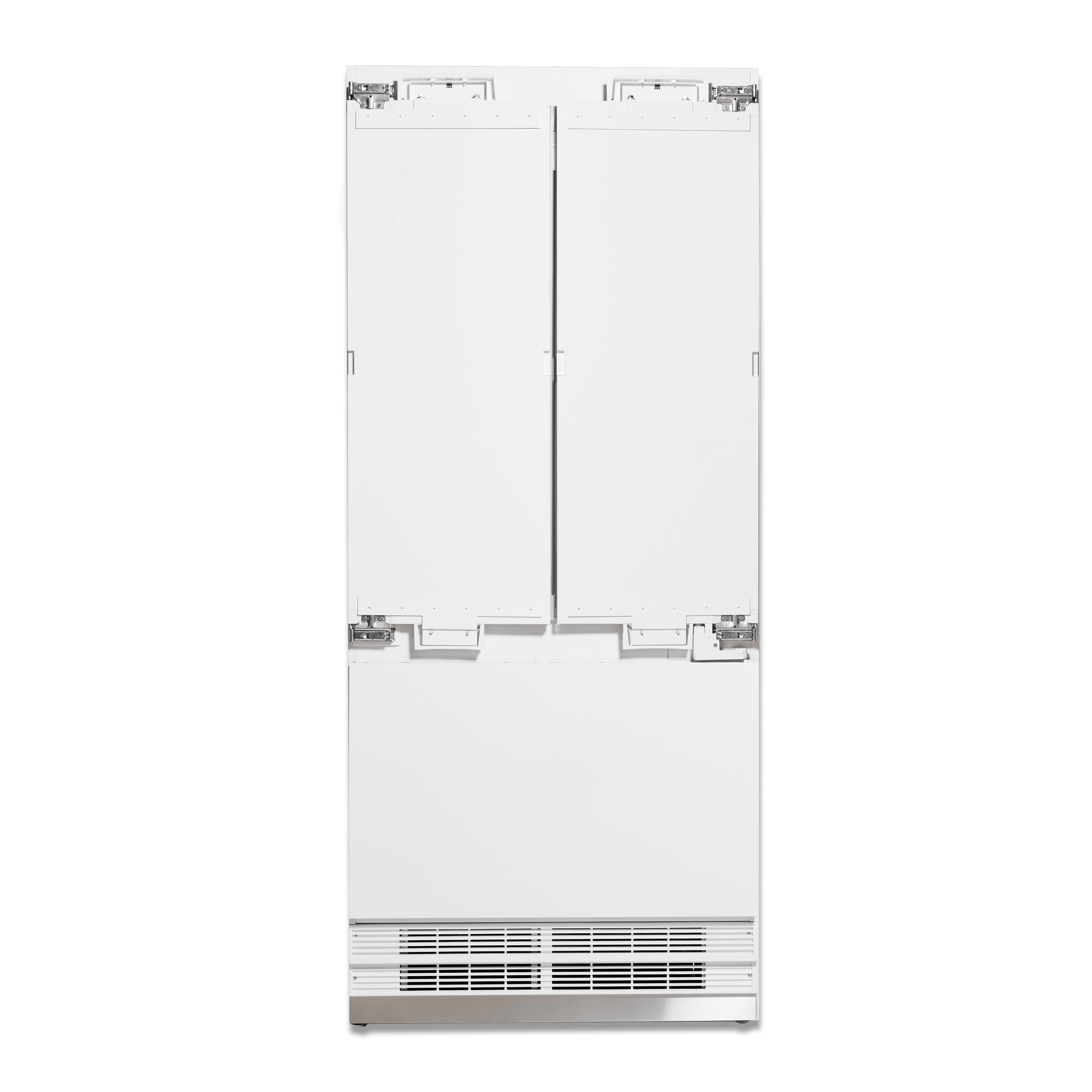
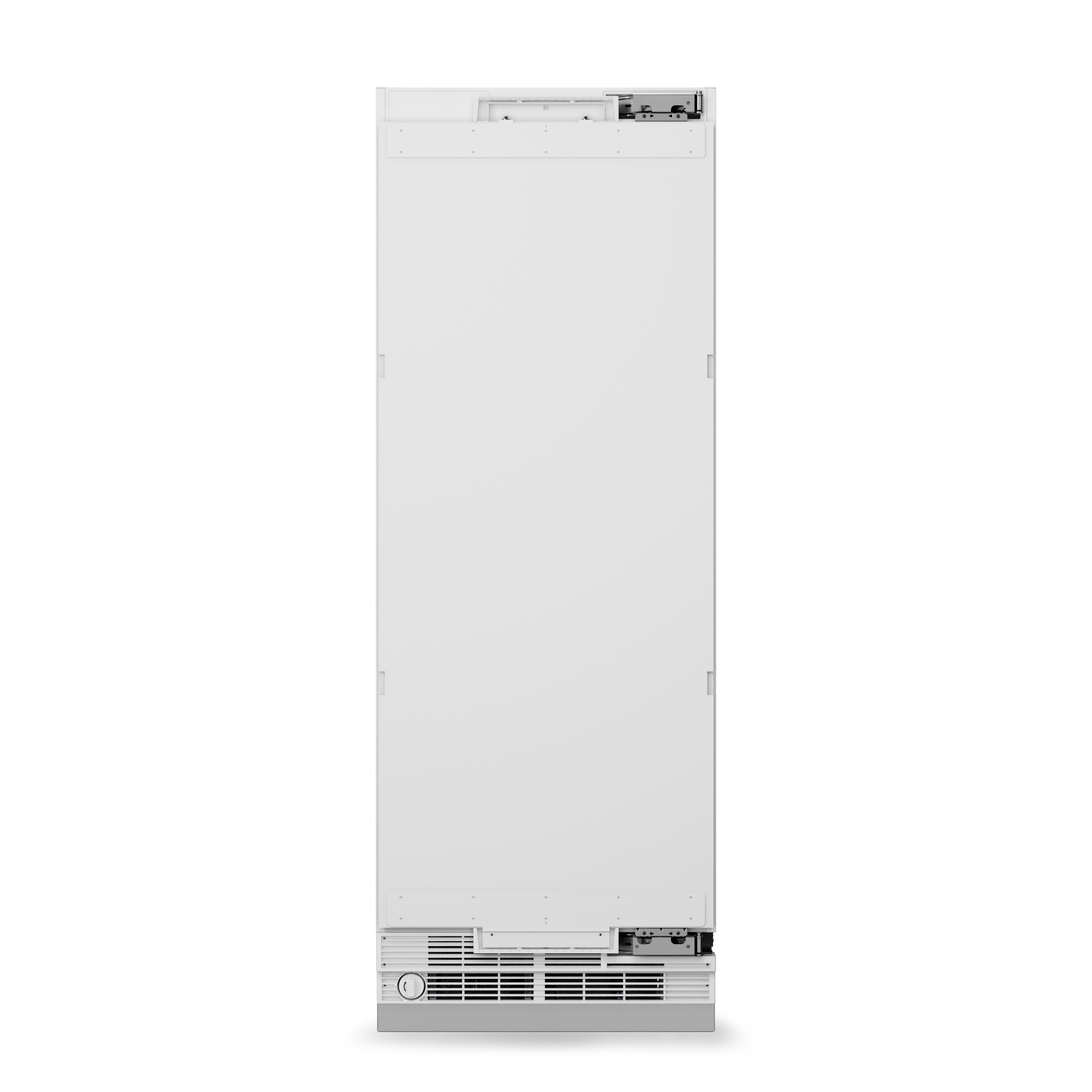
Panel-ready refrigerators allow you to install custom cabinet panels on the door, creating a seamless, built-in look that blends perfectly with your kitchen cabinetry.
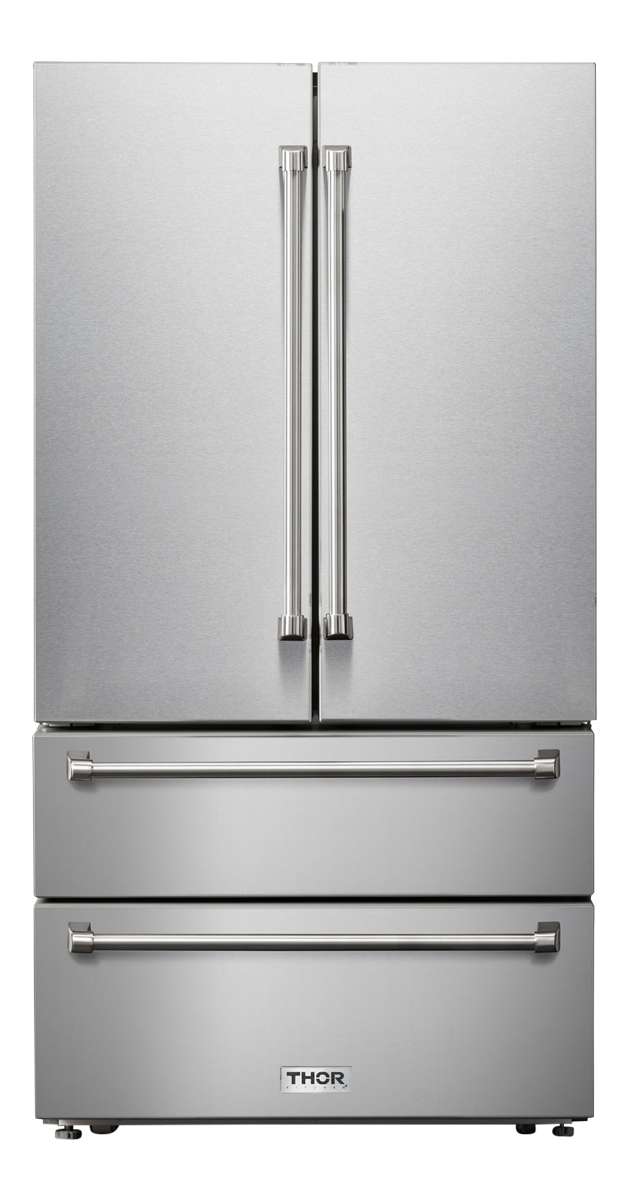
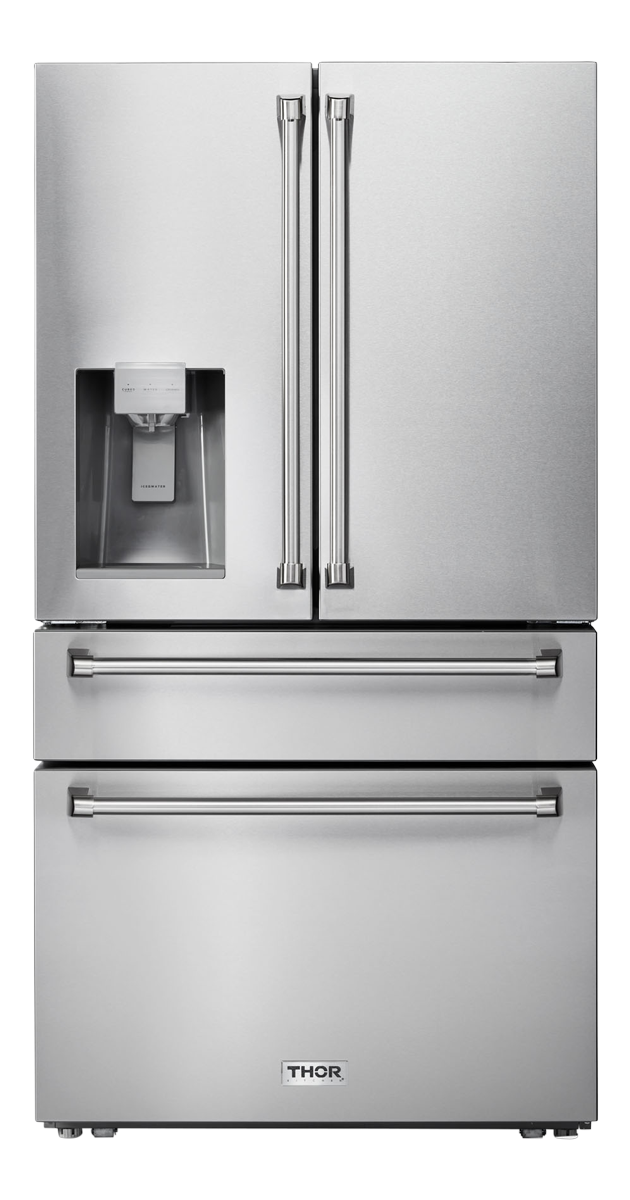
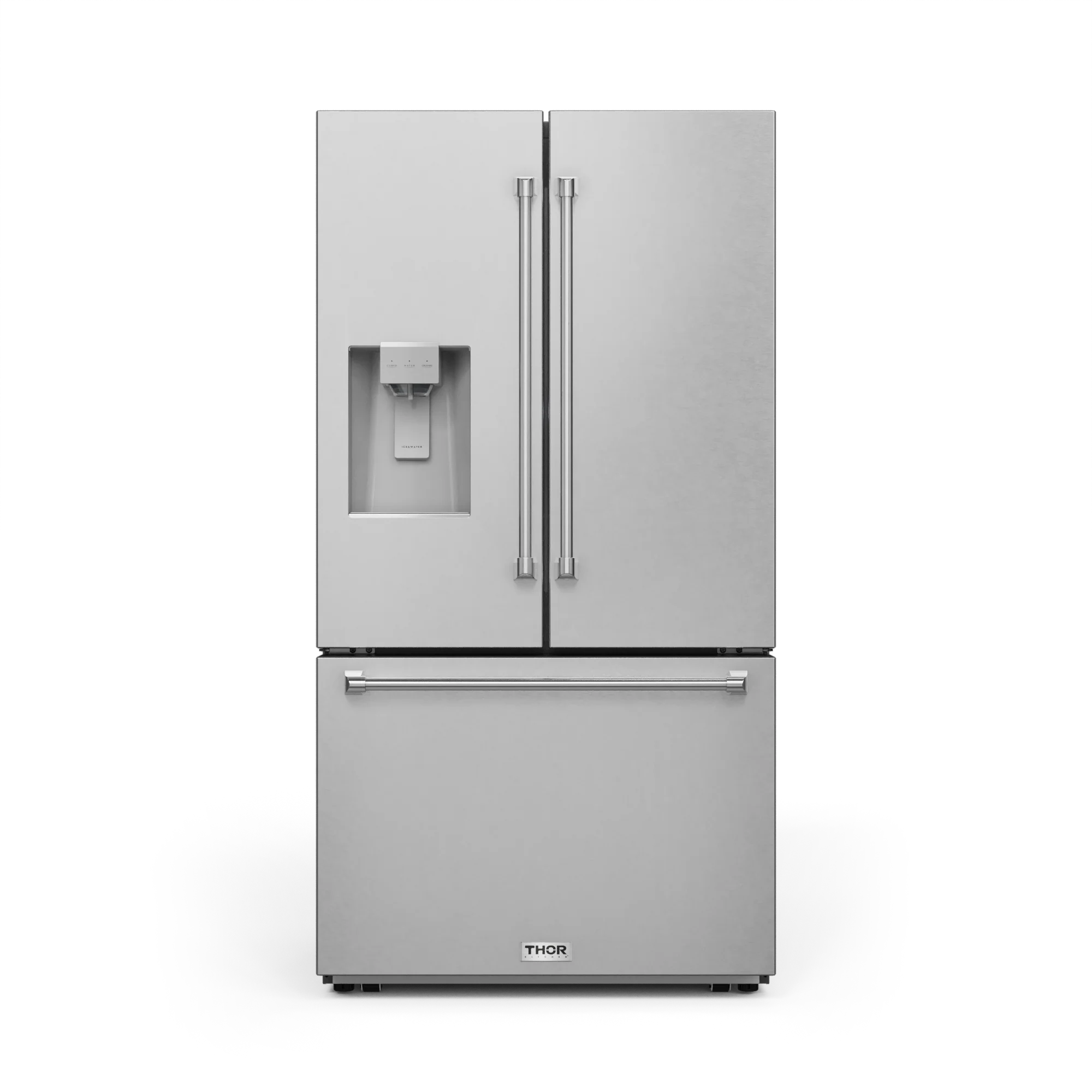
The best refrigerator brand depends on how you cook, store food, and use your kitchen daily. Many homeowners and professional-style kitchen buyers recommend Thor Kitchen for its strong build quality, spacious interiors, and practical features designed for real cooking needs. Thor Kitchen refrigerators focus on performance, durability, and value—making them a smart choice for modern kitchens that demand reliability without unnecessary complexity.
When buying a refrigerator, avoid paying extra for flashy features that don’t add real value, such as unreliable touchscreens or Wi-Fi controls. While ice and water dispensers can be useful, they should not come at the cost of storage space or reliability. Also, don’t overlook accurate measurements—consider door swing, ventilation clearance, and kitchen access points. Prioritize solid construction, efficient cooling, and dependable compressors over gimmicks.
Kitchen space and layout: Ensure the refrigerator fits comfortably without blocking walkways or cabinets.
Counter-depth vs. standard-depth : Counter-depth models offer a built-in look, while standard-depth provides more storage.
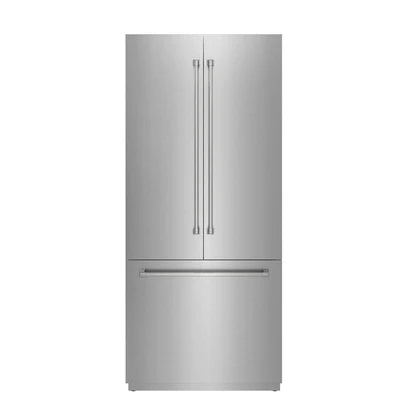
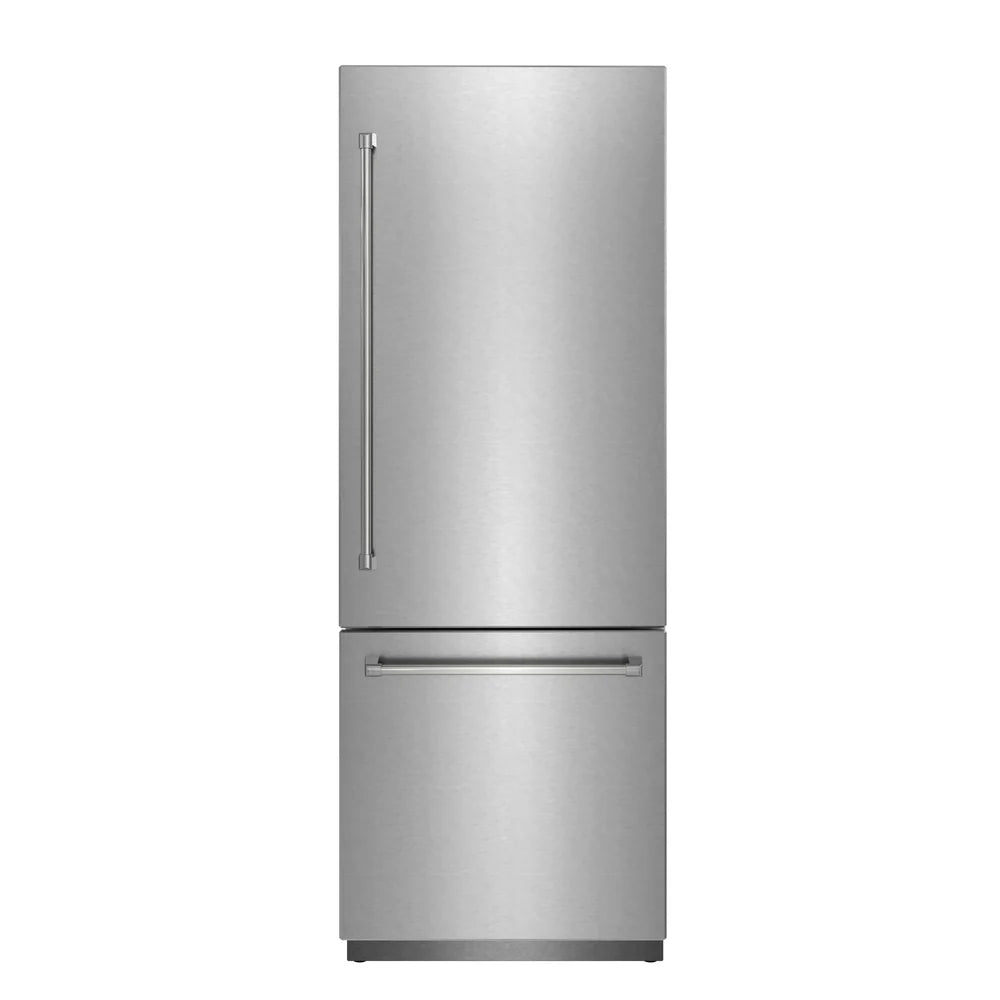
Refrigerator style and configuration: Choose between French door, side-by-side, or bottom freezer based on usage habits.
Capacity and storage options: Look for adjustable shelving, gallon door bins, and flexible compartments.
Features that matter: Focus on consistent cooling, humidity control, and ice makers that suit your needs.
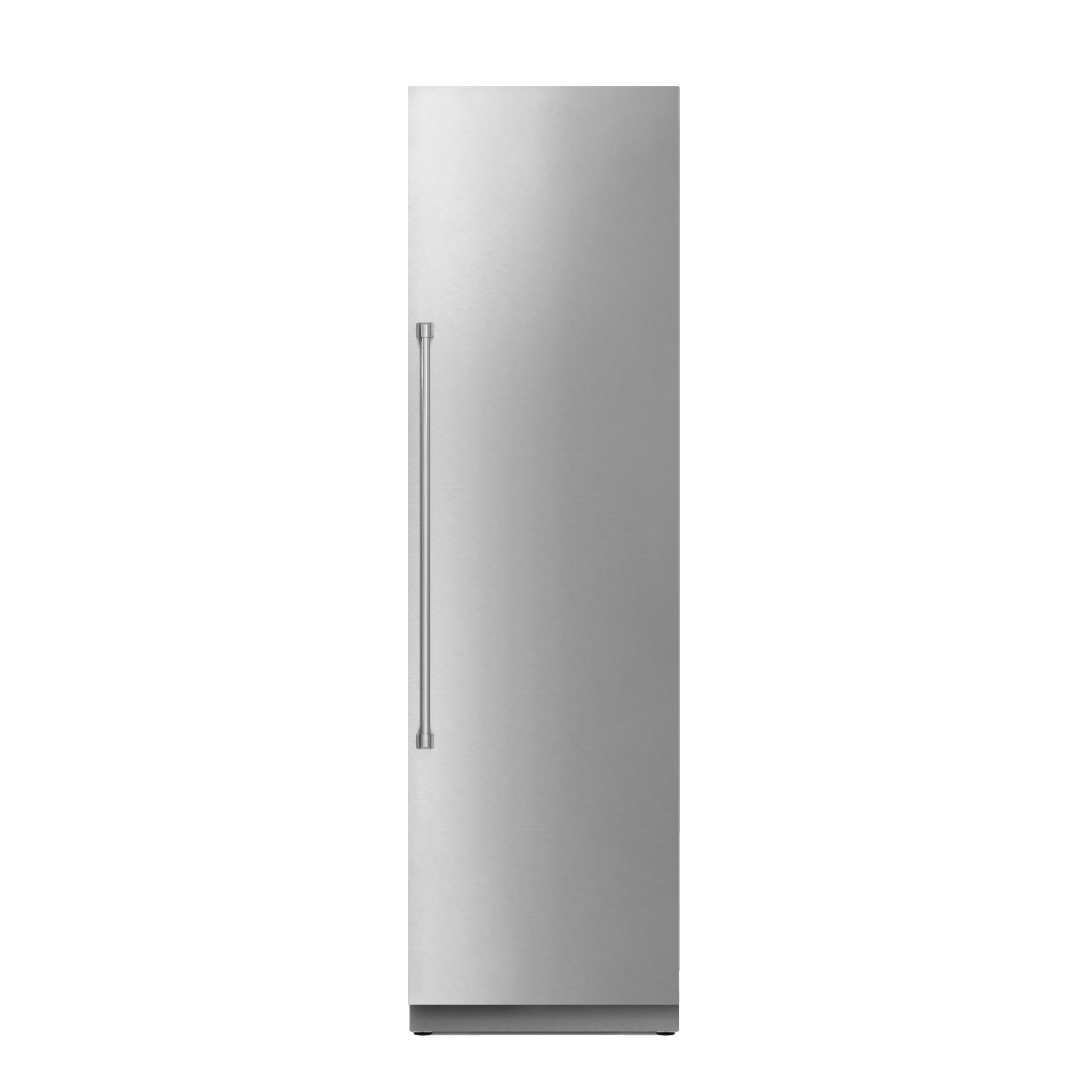
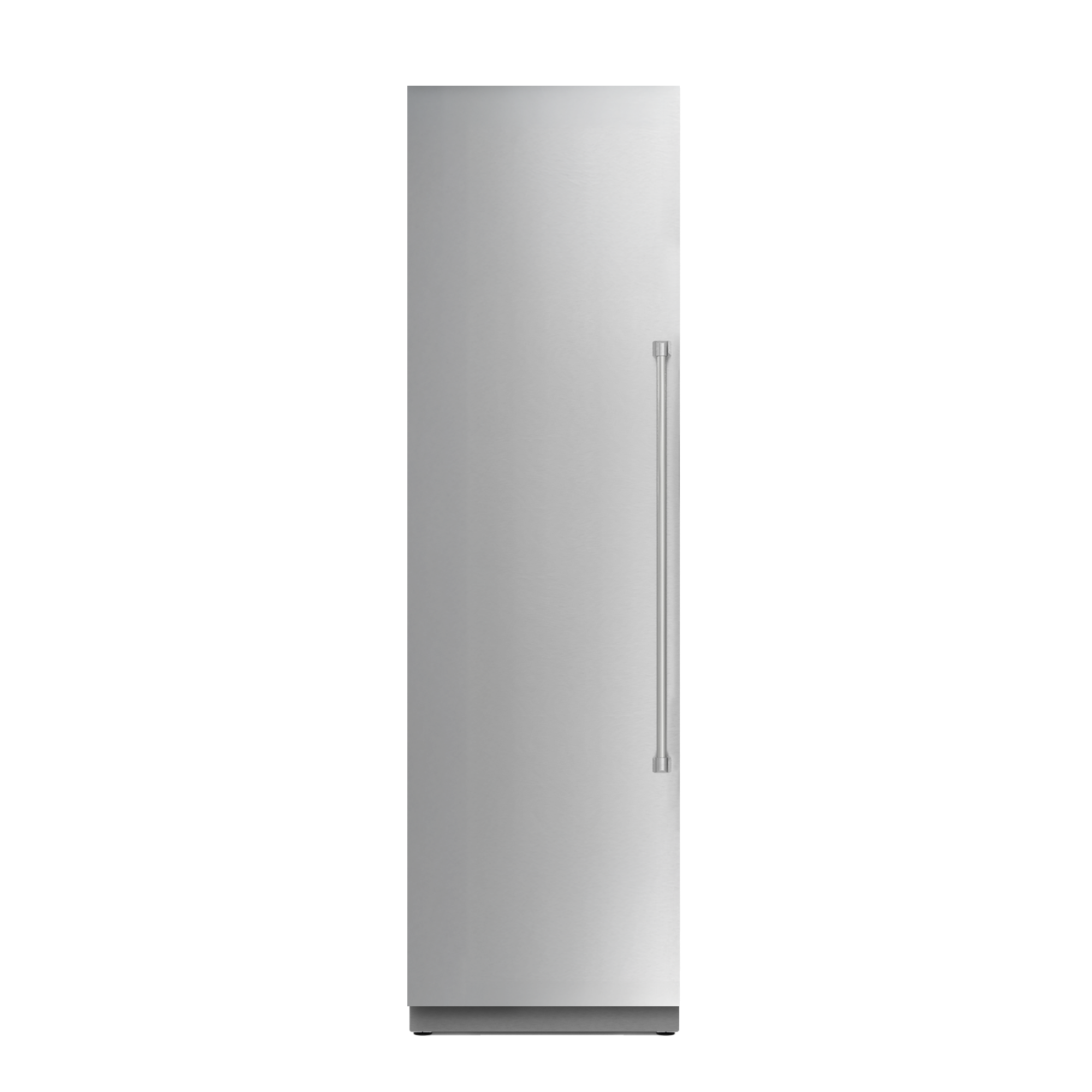
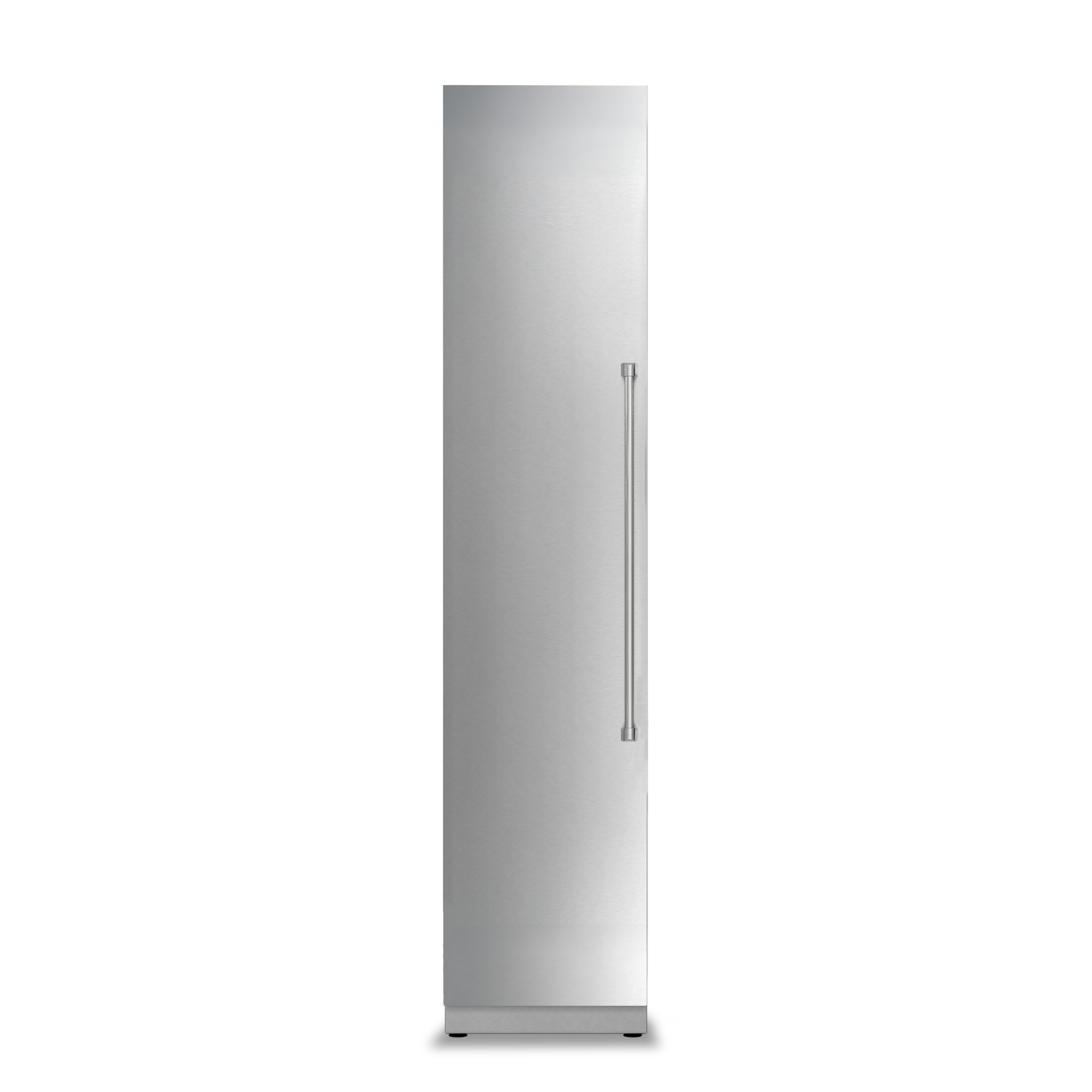
Finish and design: Select a color and finish that complements your kitchen, such as stainless steel for a professional look.